Glow Up from the Inside: Why What You Eat Matters More Than Creams
You’ve tried the serums, the masks, the 10-step routines—but what if your skin’s real game-changer isn’t in your bathroom cabinet? I discovered that clear, radiant skin starts on my plate, not in a jar. After years of breakouts and dullness, adjusting my dietary combinations brought visible results no product could match. Turns out, food fuels your skin’s health in ways skincare alone never can. While topical treatments work on the surface, true radiance emerges from within, shaped by what you eat, how well your body absorbs nutrients, and how your internal systems respond to everyday choices. This is not about perfection, but about understanding the quiet yet powerful connection between your digestive health, inflammation levels, and the glow—or lack thereof—on your face.
The Skin-Soul-Food Connection: Beyond Surface-Level Fixes
For decades, the beauty industry has conditioned us to believe that flawless skin comes from bottles and jars. We invest in high-end moisturizers, anti-aging serums, and exfoliating toners, often overlooking the most influential factor: internal wellness. The skin is not an isolated organ—it is a reflection of your body’s inner environment. When digestion is sluggish, inflammation runs high, or essential nutrients are missing, your skin often speaks first. Breakouts, redness, dry patches, and premature fine lines are not just cosmetic concerns; they are signals. They indicate that something deeper may be out of balance.
Modern diets, rich in processed foods, refined carbohydrates, and added sugars, place a heavy burden on the body’s systems. These foods can spike blood sugar levels, trigger insulin surges, and promote systemic inflammation—all of which directly impact skin health. For example, many people notice breakouts after eating pizza or sweets. This is not coincidence. High-glycemic foods cause insulin to rise, which in turn increases sebum production and encourages acne-causing bacteria to thrive. Similarly, foods lacking in fiber and antioxidants slow digestion, allowing toxins to recirculate and potentially worsen skin clarity.
Additionally, gut health plays a pivotal role. The gut microbiome—home to trillions of beneficial bacteria—helps regulate immune function and inflammation. When the gut barrier becomes compromised, a condition sometimes referred to as “leaky gut,” undigested particles can enter the bloodstream, prompting immune responses that manifest as skin flare-ups. Conditions like eczema, rosacea, and psoriasis have all been linked to gut imbalances in clinical research. Therefore, nurturing digestive health is not just about comfort; it’s a foundational step toward clearer, calmer skin.
Yet, many continue to treat the skin as a separate entity, layering products without addressing root causes. The shift begins when we recognize that glowing skin is not solely the result of external care, but the outcome of consistent, nourishing habits from within. It’s about making peace with food not as an enemy, but as a partner in the journey toward vitality and radiance.
Why Dietary Combinations Matter More Than Individual Superfoods
In the world of wellness, superfoods often take center stage—kale, chia seeds, turmeric, and acai are praised for their nutrient density and antioxidant properties. While these foods offer real benefits, focusing only on individual ingredients misses a crucial point: how foods are combined can dramatically affect their impact. Nutrient absorption is not automatic; it depends on the body’s ability to break down and utilize what we eat. Poor food pairings can hinder digestion, reduce nutrient uptake, and even contribute to bloating and fatigue—factors that indirectly affect skin health.
One key principle is enzyme competition. Different foods require different digestive enzymes to be broken down. For example, proteins need an acidic environment for digestion, while carbohydrates are best broken down in a more alkaline setting. When protein and starch are eaten together—such as steak with mashed potatoes—the body struggles to create the ideal conditions for both, leading to slower digestion and potential fermentation in the gut. This can cause gas, bloating, and reduced nutrient availability, meaning fewer vitamins reach the skin cells that need them.
On the other hand, strategic food combinations enhance nutrient synergy. For instance, pairing iron-rich plant foods like spinach with a source of vitamin C—such as lemon juice or bell peppers—significantly boosts iron absorption. Iron is essential for oxygen transport in the blood, and healthy oxygenation supports a vibrant, even skin tone. Without vitamin C, much of the iron from plant sources passes through the body unused. Similarly, fat-soluble vitamins like A, D, E, and K require dietary fats for proper absorption. Eating a salad with raw carrots (rich in beta-carotene) without any oil means the body may not fully access this important precursor to vitamin A, which supports skin cell turnover and repair.
Another common but counterproductive habit is eating fruit immediately after a meal. Fruit digests quickly, especially on an empty stomach. When consumed after a heavy meal, it sits on top of slower-digesting foods and can ferment, leading to bloating and discomfort. This digestive stress may not seem directly related to skin, but when the gut is under strain, inflammation increases, and the skin often bears the brunt. Instead, eating fruit 20–30 minutes before a meal or as a standalone snack supports smoother digestion and better nutrient delivery.
The goal is not to follow a rigid set of rules, but to develop awareness. Small adjustments—like adding lemon to cooked greens or having fruit between meals—can make a meaningful difference over time. It’s not about eliminating foods, but about optimizing how they work together to support your body’s natural processes, including the health of your largest organ: your skin.
The Inflammation Factor: How Food Triggers Show Up on Your Face
Inflammation is a natural and necessary response—your body’s way of healing injuries and fighting infections. However, when inflammation becomes chronic, it shifts from being protective to destructive. Chronic low-grade inflammation has been linked to a wide range of health issues, including heart disease, joint pain, and notably, skin conditions. Acne, rosacea, eczema, and premature aging are all influenced by inflammatory pathways in the body. What you eat plays a major role in either calming or fueling this internal fire.
Refined sugar is one of the most potent dietary triggers of inflammation. When you consume sugary foods or drinks, your blood glucose rises rapidly, prompting a surge in insulin. This hormonal shift activates pro-inflammatory cytokines, molecules that travel through the bloodstream and can trigger skin redness, swelling, and breakouts. Studies have shown that populations consuming low-glycemic diets tend to have lower rates of acne, supporting the idea that sugar control is skin care.
Dairy is another common, though individualized, trigger. While milk and cheese provide calcium and protein, they also contain hormones and growth factors that may stimulate oil production in the skin. For some people, especially those with a genetic predisposition to acne, dairy consumption correlates with increased breakouts. This doesn’t mean everyone must eliminate dairy, but it does suggest that paying attention to how your skin responds after consuming it can be revealing.
Trans fats, often found in fried foods, packaged snacks, and margarine, are another culprit. These artificial fats alter cell membrane integrity and promote oxidative stress, both of which impair skin function. Excess alcohol consumption also contributes to inflammation, dehydrates the skin, and can dilate blood vessels—exacerbating conditions like rosacea. While an occasional glass of wine may not cause harm, regular intake can undermine even the most diligent skincare routine.
The challenge lies in identifying personal triggers, as reactions vary widely. One woman may tolerate dairy without issue, while another sees breakouts after just a small serving of yogurt. The key is observation. Keeping a simple food and skin journal for a few weeks can help reveal patterns. Note what you eat, how you feel, and any changes in your skin’s appearance. Over time, this self-awareness becomes a powerful tool. By reducing inflammatory foods and replacing them with whole, nutrient-dense alternatives, you create an internal environment where clear, calm skin can thrive.
Skin-Boosting Food Pairings That Actually Work
When it comes to skin health, synergy is everything. Certain food combinations work together to enhance nutrient absorption, support cellular repair, and protect against environmental damage. These pairings are not based on trends, but on well-established principles of nutrition science. By incorporating them into daily meals, you can amplify the benefits of each ingredient and give your skin the support it needs to regenerate and glow.
One of the most effective pairings is spinach with lemon. Spinach is rich in non-heme iron, the plant-based form of iron that is less easily absorbed than the iron found in meat. However, when consumed with vitamin C—such as the juice of half a lemon—the absorption rate increases significantly. Iron is vital for hemoglobin production, which carries oxygen to skin cells. Without adequate oxygen, skin can appear pale, dull, and lifeless. This simple combination—steamed spinach drizzled with fresh lemon—delivers a double benefit: improved oxygenation and enhanced collagen synthesis, thanks to vitamin C’s role in building this essential protein.
Another powerful duo is avocado and tomatoes. Tomatoes contain lycopene, a potent antioxidant that helps protect skin from UV damage and supports a smooth, even complexion. Lycopene is fat-soluble, meaning it requires dietary fat for optimal absorption. Avocado provides heart-healthy monounsaturated fats that act as carriers, helping the body take in more lycopene. Whether blended into a smoothie, layered in a sandwich, or tossed into a salad, this combination maximizes antioxidant protection and keeps skin supple and hydrated.
Nuts and yogurt form a third beneficial pairing. Nuts like almonds and cashews are excellent sources of zinc, a mineral that plays a critical role in wound healing, oil regulation, and maintaining the skin’s protective barrier. Yogurt, especially varieties with live active cultures, introduces probiotics—beneficial bacteria that support gut health and reduce systemic inflammation. Since the gut-skin axis is well-documented, improving gut flora can lead to fewer breakouts and less reactivity. Together, zinc and probiotics create a dual defense system: one strengthens the skin physically, while the other calms it from within.
Finally, green tea and berries offer a powerful antioxidant alliance. Both are rich in polyphenols—compounds that neutralize free radicals caused by pollution, stress, and sun exposure. When consumed together, their effects are complementary. Berries provide anthocyanins, which give them their deep color and anti-aging properties, while green tea delivers EGCG, a compound shown to reduce inflammation and support collagen preservation. Enjoying a handful of blueberries with a cup of green tea in the afternoon is not just a satisfying snack—it’s a strategic move for long-term skin resilience.
Real Results: What Happens When You Eat for Your Skin
Changing your diet for better skin is not a quick fix, but a gradual transformation. Most people begin to notice subtle shifts within two to four weeks, though significant improvements often take six to eight weeks of consistent effort. The journey typically follows a predictable pattern: first, digestion improves. Bloating decreases, bowel movements become more regular, and energy levels stabilize. These internal changes are the foundation for external ones.
As inflammation begins to subside, the skin responds. Redness diminishes, breakouts become less frequent, and the overall texture feels smoother. Many report that their skin appears more hydrated, even without increasing their use of moisturizers. This is because proper nutrition supports the skin’s natural lipid barrier, helping it retain moisture more effectively. Over time, the complexion becomes more even, with fewer dark spots and a natural luminosity that makeup can’t replicate.
One of the most common observations is a reduced reliance on concealer and foundation. When the skin is healthier at a cellular level, it doesn’t need as much coverage. Women in their 30s, 40s, and 50s often share that they feel more confident going bare-faced on weekends or during casual outings. This isn’t about achieving perfection, but about embracing a version of beauty that feels authentic and sustainable.
It’s important to note that setbacks may occur. Hormonal fluctuations, stress, and lack of sleep can still affect the skin, even with a clean diet. However, those who eat for skin health often find that their skin recovers more quickly from these challenges. Resilience, not flawlessness, becomes the goal. With time, the relationship with food shifts—from restriction to nourishment, from guilt to gratitude. Eating well becomes less about chasing a look and more about honoring the body’s need for balance and care.
Practical Swaps: Building a Skin-Friendly Plate Without Deprivation
Adopting a skin-supportive diet doesn’t require drastic changes or expensive superfoods. Small, sustainable swaps can make a big difference over time. The key is to focus on variety, flavor, and ease of preparation. Meals should feel satisfying, not punitive. Here are simple, realistic ways to build a plate that supports both health and beauty.
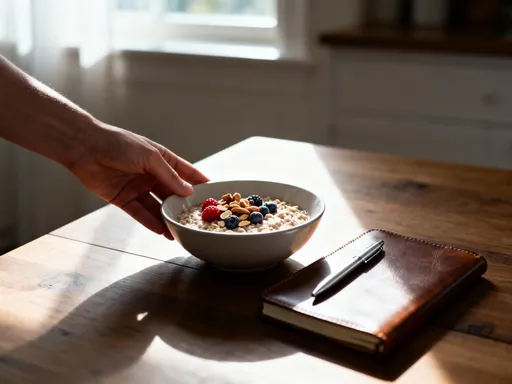
Start the day with hydration and gentle nourishment. Instead of reaching for sugary cereals or pastries, try a bowl of oatmeal topped with sliced banana and a sprinkle of chia seeds. The fiber supports digestion, while the banana provides potassium and the chia seeds offer omega-3 fatty acids—both beneficial for skin elasticity. Add a glass of warm lemon water to stimulate digestion and deliver vitamin C first thing in the morning.
For lunch, aim for color and balance. A large salad with mixed greens, roasted sweet potatoes, chickpeas, and a dressing made with olive oil and apple cider vinegar provides fiber, complex carbohydrates, plant protein, and healthy fats. The oil helps absorb fat-soluble vitamins from the vegetables, while the vinegar may support blood sugar control. Add a squeeze of lemon for extra vitamin C and better iron absorption from the greens.
Snacks can be both delicious and strategic. Instead of processed chips or candy, choose a small handful of walnuts with a few strawberries. The walnuts provide zinc and omega-3s, while the strawberries offer vitamin C and antioxidants. Another option is carrot sticks with hummus—carrots supply beta-carotene, and the tahini in hummus provides healthy fats to help your body use it.
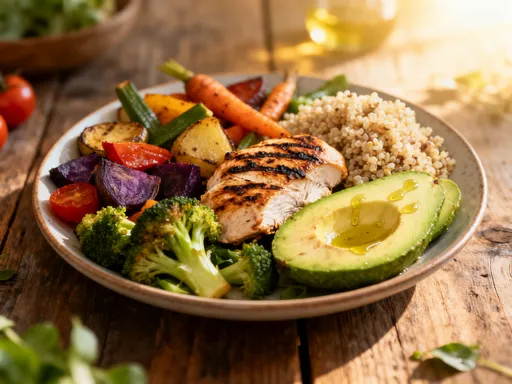
Dinner should be satisfying but not heavy. Grilled salmon with steamed broccoli and quinoa is an excellent choice. Salmon is rich in omega-3 fatty acids, which help reduce inflammation and keep skin supple. Broccoli contains sulforaphane, a compound with antioxidant and detoxifying properties. Quinoa offers complete plant protein and fiber. Drizzle everything with a little olive oil and lemon juice to enhance nutrient uptake.
For those with busy schedules, meal prep can be a game-changer. Cooking large batches of grains, roasting vegetables, and preparing simple dressings in advance makes healthy eating more accessible. Even on hectic days, having a nourishing option available reduces the temptation to reach for convenience foods that may trigger skin issues. The goal is not perfection, but progress—choosing skin-supportive foods more often than not.
When to Seek Professional Guidance: Bridging Diet and Dermatology
While dietary changes can have a profound impact on skin health, they are not a substitute for medical care. Persistent acne, sudden rashes, unexplained dryness, or severe rosacea may indicate underlying conditions such as hormonal imbalances, autoimmune disorders, or nutrient deficiencies. In these cases, working with a healthcare provider is essential.
Dermatologists can diagnose skin conditions accurately and recommend evidence-based treatments, including topical medications, light therapy, or prescription oral medications. Registered dietitians can help identify nutritional gaps, assess food sensitivities, and create personalized eating plans that support both skin and overall health. For example, low levels of vitamin D, zinc, or essential fatty acids are often linked to skin problems and can be addressed through targeted dietary changes or supplements under professional supervision.
It’s also important to recognize that everyone’s body is different. What works for one person may not work for another. Genetics, lifestyle, stress levels, and environmental exposures all play a role in skin health. Therefore, a one-size-fits-all approach is rarely effective. The most powerful strategy is an integrative one—combining the best of nutrition, skincare, and medical insight to create a holistic plan.
Ultimately, the goal is empowerment. By understanding the connection between food and skin, you gain a sense of agency. You learn to listen to your body, make informed choices, and support your health in ways that go beyond surface-level fixes. Glowing skin is not about chasing youth or perfection—it’s about cultivating vitality, resilience, and self-care from the inside out. When you nourish your body with intention, your skin doesn’t just reflect that care—it celebrates it.