How I Learned to Listen to My Body—Simple Health Monitoring That Actually Works
We often wait until we’re sick to think about health, but real wellness starts with daily awareness. I used to ignore small signals—fatigue, mood shifts, sleep changes—until they became big problems. Then I discovered simple, no-fuss ways to monitor my body’s rhythms. It’s not about numbers or gadgets; it’s about paying attention. This is how I changed my relationship with health—one small check-in at a time. What began as a response to burnout turned into a quiet revolution in how I live. I learned that my body speaks constantly, but I had stopped listening. Now, those daily whispers guide me toward better choices, earlier interventions, and a deeper sense of control. This isn’t about chasing perfection. It’s about presence. And it’s something anyone can start today.
The Wake-Up Call: When Ignoring My Body Backfired
It started with a week I can barely remember. I was working late, skipping meals, and surviving on coffee and determination. My sleep was erratic, my temper short, and my energy would crash by mid-afternoon. I told myself it was normal—just the price of being a working mother, a responsible adult, someone who gets things done. But then, one Tuesday morning, I couldn’t get out of bed. Not because I was lazy, but because my body refused. My muscles ached, my head throbbed, and a deep exhaustion settled in my chest like lead. That was the moment I realized I wasn’t just tired—I was broken down.
That episode wasn’t sudden. It was the result of months of ignoring warning signs. I had dismissed persistent fatigue as “just aging.” I brushed off irritability as stress from parenting. I accepted poor sleep as inevitable. But none of these were isolated issues. They were signals—my body’s way of asking for rest, nourishment, and balance. What I had mistaken for normal was, in fact, a slow erosion of my well-being. The truth is, health isn’t just the absence of illness. It’s the presence of vitality, resilience, and harmony in how we feel day to day.
For many women in their 30s, 40s, and 50s, this story is familiar. We juggle careers, families, homes, and personal goals, often putting our own needs last. We’re conditioned to push through, to be strong, to manage. But the body doesn’t respond well to constant override. When we ignore its signals, it eventually forces us to stop. The good news? We don’t have to wait for burnout to begin listening. The shift starts with recognizing that small changes matter. A restless night. A foggy mind. A stomach that’s off. These aren’t nuisances to ignore—they’re clues. And when we pay attention early, we can prevent small imbalances from becoming major health issues.
What Is Health Monitoring—and Why It’s Not Just for Doctors
When we hear “health monitoring,” many of us think of blood tests, doctor visits, or high-tech devices tracking every heartbeat. But real health monitoring doesn’t require a lab coat or a prescription. At its core, it’s about noticing patterns in how you feel. It’s the practice of tuning in to your body’s rhythms—your energy, digestion, mood, sleep, and physical comfort—on a regular basis. This isn’t about diagnosing disease. It’s about building self-awareness, so you can respond to changes before they escalate.
Think of it like maintaining a car. You don’t wait for the engine to fail before checking the oil. You do routine checks because small problems, if caught early, are easier to fix. The same is true for the body. When you track your energy levels and notice you’re sluggish every afternoon, you might realize it’s linked to skipping lunch or eating too many carbs. When you observe that your sleep suffers after late screen time, you can adjust your routine. These observations aren’t medical data—they’re personal insights. And they empower you to make informed choices about your daily habits.
What makes this approach powerful is that it’s accessible to everyone. You don’t need special training or equipment. You just need curiosity and consistency. Unlike clinical monitoring, which often happens in response to symptoms, daily health tracking is proactive. It’s about staying connected to your body, not just fixing it when it breaks. And for women who are often caregivers, this practice is a form of reclaiming agency. It reminds us that our health isn’t something that happens to us—it’s something we can influence every single day through small, mindful choices.
The Three Daily Check-Ins That Changed Everything
After my burnout, I knew I needed a change, but I didn’t want anything complicated. I didn’t want another app to manage or another task to fail at. So I started simple: three brief check-ins each day. They take less than two minutes total, but over time, they transformed how I understand my body. The key wasn’t intensity—it was consistency. These moments of pause became anchors in my day, helping me stay grounded and responsive to my needs.
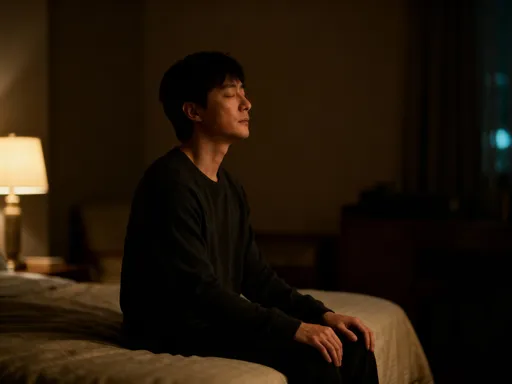
The first is the morning body scan. Before I even get out of bed, I lie still for a moment and ask myself: How does my body feel? I notice tension in my shoulders, stiffness in my back, or any aches. I check my energy level—do I feel rested, or heavy? I also pay attention to my mood. Am I calm, anxious, or irritable? This isn’t about judgment. It’s about observation. Over time, I began to see patterns. For example, I noticed that when I slept poorly, my shoulders were always tight. When I felt anxious, my stomach was often unsettled. These weren’t coincidences—they were connections.
The second check-in happens around midday. I pause for just a moment, usually when I pour my first glass of water or step outside for fresh air. I ask: How’s my energy? Am I focused, or is my mind foggy? Do I feel hungry, or is it emotional hunger? This simple note helps me catch energy dips before they turn into crashes. I learned that if I feel sluggish by 2 p.m., it’s often because I skipped a balanced breakfast or sat too long without moving. A short walk or a healthy snack could reset my afternoon. This small habit reduced my reliance on caffeine and improved my productivity.
The third and final check-in is an evening reflection. Before bed, I spend a few quiet minutes thinking about the day. How did my body respond to food, stress, or activity? Did I feel calm, or was I wound up? I don’t write everything down—sometimes I just think through it. But this pause helps me connect my choices to how I feel. If I’m restless at night, I can trace it back to a late workout or a heavy dinner. Over time, these reflections helped me adjust my routine for better sleep and less stress. What started as a few quiet moments now feels like a conversation with myself—one that guides my decisions and deepens my self-trust.
Tools? Nah—Just Paying Attention
When I first mentioned my check-ins to a friend, she asked, “What app do you use?” I smiled and said, “None.” That surprised her. We’ve been taught that tracking requires technology—apps, wearables, spreadsheets, color-coded logs. But the truth is, the most powerful tool for health monitoring is already within us: attention. You don’t need a smartwatch to notice you’re tired. You don’t need an app to realize you’re stressed. You just need to pause and observe.
I’ve tried apps. I’ve worn fitness trackers. They can be helpful for some, but for me, they added pressure. I started chasing numbers—steps, heart rate, sleep scores—and felt guilty when I didn’t meet goals. That wasn’t self-awareness; it was performance. What worked instead was weaving awareness into my existing routine. I use natural moments as cues: brushing my teeth, waiting for the kettle to boil, walking to the mailbox. These aren’t extra tasks—they’re pauses built into my day. During those moments, I check in. How do I feel? What do I need?
Some people find journaling helpful, and that’s valid. Writing down observations can make patterns clearer. But even that isn’t necessary. Mental notes work just fine. The goal isn’t documentation—it’s connection. And that connection thrives in simplicity. When we make monitoring too complex, we set ourselves up to fail. But when it’s as easy as taking three slow breaths or noticing the temperature of the water on your hands, it becomes sustainable. The message is clear: you don’t need tools to listen to your body. You just need presence. And presence is free.
Patterns Over Perfection: What to Do With What You Notice
One of the biggest mistakes I made early on was reacting to single data points. If I felt tired one morning, I worried I was getting sick. If I had trouble focusing one afternoon, I assumed my brain was failing. But health isn’t about single moments—it’s about patterns. The real value of daily check-ins isn’t in any one observation, but in the trends that emerge over time. Learning to distinguish between a bad day and a meaningful signal was a game-changer.
For example, I once noticed I felt sluggish every Monday. At first, I blamed my job. But after a few weeks of checking in, I saw a pattern: I tended to stay up late and eat heavy meals on weekends. My body wasn’t recovering. That insight led me to adjust my Sunday evening routine—earlier bedtime, lighter dinner, no screens after 9 p.m. The change wasn’t drastic, but the effect was. By Monday morning, I felt more refreshed. This wasn’t about willpower. It was about using data to make smarter choices.
Another pattern I noticed was recurring tension in my neck. It didn’t happen every day, but it showed up often after long hours at the computer. I realized it wasn’t just physical—it was tied to stress. When I felt overwhelmed, my body responded with tightness. That awareness helped me build in micro-breaks: standing up every hour, stretching, taking a short walk. I also started practicing deep breathing when I felt tension rise. These small actions didn’t eliminate stress, but they reduced its physical toll.
Of course, not every pattern has a simple fix. Sometimes, what you notice points to something deeper. If you consistently feel fatigued despite good sleep and nutrition, it might be time to see a healthcare provider. If mood changes are frequent and intense, professional support can help. The goal of self-monitoring isn’t to replace medical care—it’s to enhance it. When you bring clear observations to a doctor, you become an active partner in your health. You’re not guessing. You’re sharing real information that can guide better outcomes.
Making It Stick: How to Build Awareness Without the Burnout
Let’s be honest: most of us start strong and fade fast. We commit to new habits with enthusiasm, but life gets busy, motivation dips, and we fall back into old routines. I’ve been there. I tried journaling every night. I set phone reminders. I even bought a fancy notebook. But within weeks, I stopped. The problem wasn’t the practice—it was the pressure. I was treating awareness like another chore, another thing to perfect. And that mindset doomed me from the start.
What finally worked was shifting my focus from discipline to curiosity. Instead of asking, “Did I do my check-in?” I began asking, “What did I notice today?” That small change removed judgment. If I forgot, it was okay. I could simply observe the next day. I also used habit stacking—pairing my check-ins with things I already did. I linked my morning scan to stretching when I wake up. My midday note happens when I drink water. My evening reflection goes with brushing my teeth. These anchors made the practice automatic, not burdensome.
Starting small was crucial. I didn’t try to monitor everything at once. I began with just one check-in—the morning scan. Once that felt natural, I added the next. This gradual approach built confidence and consistency. I also reminded myself that this wasn’t another task—it was self-care. It was a way of honoring my body, not managing it. When I framed it that way, it felt less like a duty and more like a gift.
And when I forgot? I practiced kindness. I didn’t scold myself. I simply began again. Over time, the habit stuck not because I was perfect, but because I was persistent. And that’s the secret: sustainability comes from flexibility, not rigidity. Health awareness isn’t about flawless execution. It’s about showing up, again and again, with compassion and curiosity.
From Monitoring to Living: How Small Awareness Adds Up
What began as a response to burnout has become a quiet foundation for my daily life. These small check-ins haven’t just helped me avoid crashes—they’ve changed how I live. I make better food choices because I notice how different meals affect my energy. I move more because I feel the difference in my mood and sleep. I set boundaries because I recognize when stress is building. These aren’t dramatic changes. They’re subtle shifts, but they add up to a profound difference in how I feel.
One of the most powerful outcomes has been a growing sense of body trust. For years, I doubted my signals. I thought I was lazy when I was tired. I thought I was weak when I needed rest. But now, I see those feelings as valid and important. My body isn’t failing me—it’s guiding me. That shift in perspective has reduced anxiety and increased confidence. I don’t need to control everything. I just need to listen.
This practice has also made me more proactive. Instead of waiting for problems to arise, I catch imbalances early. A restless night? I adjust my routine. Low energy? I check my hydration and sleep. Mood dip? I consider stress and self-care. These small interventions prevent bigger issues down the line. And when I do need medical support, I go in with clear insights, making appointments more productive.
Most importantly, this daily awareness has deepened my relationship with myself. It’s taught me that health isn’t a destination—it’s an ongoing conversation. It happens in the quiet moments: the breath before getting out of bed, the pause before drinking water, the reflection before sleep. These are not grand gestures. They are small acts of attention that, over time, build resilience, clarity, and peace. And for a woman who’s spent years caring for others, that connection is priceless.