Cleared 37 mental clutter moments in 2 weeks: How my shopping list app quietly changed my mood
Have you ever felt oddly stressed just staring at an empty fridge? I used to dread grocery runs—they felt chaotic, rushed, and oddly emotional. Then I started treating my shopping list app like a personal journal. Not just “milk, bread, eggs,” but notes like “buy tea for Mom’s visit” or “pick up snacks for Friday movie night.” Suddenly, it wasn’t just about groceries. It became a small act of care—one that calmed my mind, eased my decisions, and quietly lifted my confidence. This is how a simple tech tool became my unexpected ally in feeling more in control, more present, and more like myself.
The Hidden Weight of Small Decisions
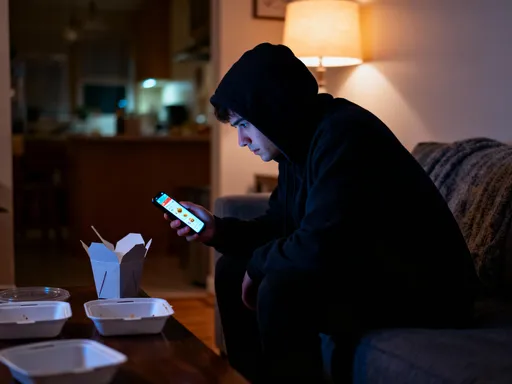
Let’s be honest—no one wakes up dreaming of grocery lists. But if you’re like me, managing a home means hundreds of tiny choices every single day. What’s for dinner? Did the kids finish their yogurt? Is there enough coffee for tomorrow morning? These aren’t big decisions on their own, but stacked together, they form a quiet weight that sits on your shoulders all day. I didn’t realize how much mental space I was losing until I started noticing the moments when it all spilled over. Like that Tuesday when I stood in front of the dairy section, staring at milk cartons, suddenly close to tears. Not because of the milk—but because I’d forgotten to buy laundry detergent, again, and now I was out, and my youngest had a school project due tomorrow that needed a clean shirt. It wasn’t about groceries. It was about feeling like I was failing at the small things, the ones that keep everything running.
And it’s not just the forgetting. It’s the guilt when you overspend because you didn’t plan. It’s the frustration when you get home and realize you bought almond milk even though your partner is allergic. It’s the exhaustion of making decisions when your brain is already full. Psychologists call this “decision fatigue,” and it’s real—especially for women who often carry the mental load of household management. We’re not just picking products off a shelf. We’re anticipating needs, managing budgets, remembering allergies, planning meals, and trying to make everyone happy. Each item on the list carries invisible emotional labor. And when we don’t have a system, that labor piles up like unread emails in an overcrowded inbox.
What changed for me wasn’t a new diet or a fancy meal planner. It was simply admitting that I didn’t have to hold it all in my head. I didn’t have to be the family’s walking memory bank. I could let something else help. That’s when I stopped seeing my shopping list as just a checklist and started seeing it as a relief valve for my brain.
From Checklist to Compass: Reframing the Shopping List
At first, my list was basic: apples, pasta, dish soap. Functional, but cold. It felt like another chore. Then one day, I added a note: “Buy the lavender tea Mom loves.” And something shifted. That small addition didn’t change what I was buying, but it changed why I was buying it. Suddenly, the list wasn’t just about supplies—it was about connection. It became a place where love showed up in small ways. I started adding things like “chocolate chips for cookies with the kids” and “olive oil—Sarah said it makes the roasted veggies taste better.” These weren’t just items. They were tiny promises to myself and my family.
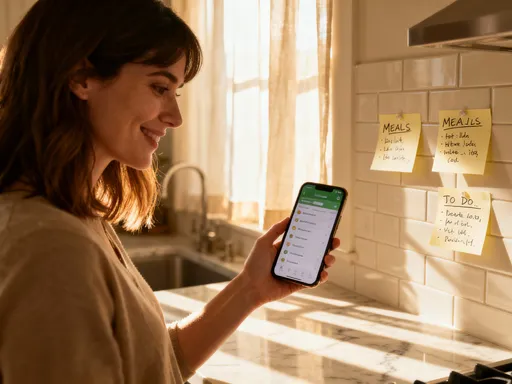
I began to think of the app not as a taskmaster but as a quiet companion. It wasn’t judging me for forgetting bread last week. It wasn’t scolding me for buying too many bananas. It was just there, holding my thoughts so I didn’t have to. And because I could add notes, emojis, or even voice memos (“remember the gluten-free crackers for Dad!”), it started to feel personal. Human. I wasn’t just listing groceries—I was mapping out care, one item at a time.
The technology itself wasn’t fancy. No AI, no algorithms suggesting recipes I’d never make. Just a simple app that synced across my phone and tablet, with check boxes and the ability to organize by store or category. But how I used it—that’s where the magic happened. By adding context, I turned a digital to-do into a tool for intention. And when you act with intention, even grocery shopping can feel meaningful. You’re not just feeding bodies. You’re honoring routines, memories, and relationships. You’re saying, “I see you. I remember what you like. I want this to feel good.”
How One App Reduced My Anxiety Without Trying
I didn’t start using the app to reduce anxiety. I started because I was tired of forgetting things. But within days, I noticed something unexpected: I felt calmer. Not because my life got easier, but because my mind got quieter. There’s a concept in psychology called “cognitive offloading”—the idea that when we write things down, we free up mental space. It’s like moving clutter from your living room floor into a closet. The stuff is still there, but it’s not in your face.
Before, my brain was a constant loop of reminders: “Buy paper towels. Don’t forget the dog food. Check if we need bandaids.” These thoughts would pop up at 2 a.m., during school drop-off, in the middle of a work call. They weren’t urgent, but they were persistent. And each one took a little piece of my focus. Now, when a thought comes—“we’re almost out of toothpaste”—I don’t try to hold it. I open the app and add it. That’s it. The thought lands safely. I don’t have to worry about losing it. And something small but powerful happens: I feel trusted. Not by someone else, but by myself. I know I’ll see it when I need to.
There’s real comfort in knowing your system works. One rainy Wednesday, I was feeling low. Everything felt heavy. Then I opened the app and saw a note I’d added days ago: “Pick up rainbow sprinkles—bake cookies with Lily after school.” Just reading it lifted my mood. It wasn’t the sprinkles. It was the reminder that I was someone who plans joy. That I pay attention to the little things that make my daughter’s eyes light up. The app didn’t fix my bad day, but it helped me remember who I am in the middle of it. And that made a difference.
Building Confidence Through Tiny Acts of Planning
Confidence isn’t built in big leaps. It grows in small, repeated actions. When you do what you say you’ll do—even if it’s just buying the right bread—you teach yourself that you can be relied upon. That trust adds up. I started to notice that when I used the app consistently, other parts of my life felt more manageable. I was less frazzled in the mornings. I remembered to schedule the vet appointment. I even started meal prepping on Sundays without dreading it.
Each time I checked off an item, I wasn’t just completing a task. I was reinforcing a belief: “I’ve got this.” And that belief spilled over. When I didn’t forget the ingredients for my son’s favorite soup, he smiled and said, “You remembered!” That small moment mattered. It wasn’t just about the soup. It was about showing up. It was about proving to myself that I could be the kind of person who remembers—the kind who plans ahead, who follows through, who takes care.
That identity shift is powerful. It’s easy to think of apps as tools for efficiency, but they can also be tools for self-reinvention. By using the shopping list to support my intentions, I wasn’t just organizing groceries. I was building a version of myself I liked more—someone thoughtful, dependable, and calm. And the more I acted that way, the more real it became. It’s not about perfection. It’s about practice. Every note I add, every item I check off, is a quiet vote for the person I’m becoming.
Turning Errands Into Moments of Connection
Shopping used to feel like a chore I did in isolation. Now, it’s become a quiet way to stay connected. I share my list with my partner, and sometimes he adds things with little notes: “Get the spicy chips—I’ll make guacamole tonight :)” My daughter loves adding emojis to the fruit section. Even my mom, who lives two hours away, texts me when she sees something on sale that she knows I like. The list has become a shared space—a place where we show up for each other, even when we’re not in the same room.
There’s something beautiful about collaboration without conflict. Before, grocery planning often led to miscommunication. “I thought you were buying the milk.” “I didn’t know we were out of coffee.” Now, the app holds the truth. We both see what’s needed. We can add, adjust, and confirm in real time. It’s reduced so many small arguments. But more than that, it’s created little moments of warmth. Like when my husband added “your favorite dark chocolate” with a heart emoji. It wasn’t necessary. But it made me smile. It said, “I’m thinking of you.”
For families with aging parents or adult children living far away, shared lists can be a gentle way to stay involved. My sister and I use a family list to coordinate care for our mom. We add things like “order her vitamins” or “call to check in about the doctor’s appointment.” It’s not just about logistics. It’s about showing that we’re all in this together. The app doesn’t replace conversation, but it supports it. It makes care visible, one item at a time.
The Unexpected Ripple Effect on Daily Life
Here’s what surprised me most: the calm didn’t stay in the grocery aisle. Once I stopped carrying so many reminders in my head, other areas of my life began to shift. I slept better because I wasn’t running mental checklists at midnight. I had more patience with the kids because I wasn’t mentally scrambling to remember everything. Even my home felt more organized—not because I decluttered, but because my mind was less cluttered.
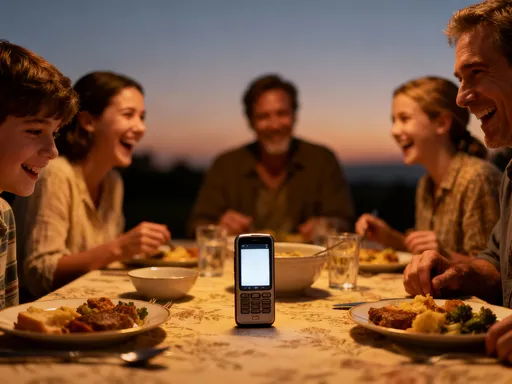
Meal planning became easier because I could see what we already had and what we needed. Budgeting felt less stressful because I could track recurring purchases and avoid impulse buys. I even started enjoying cooking again, not as a duty, but as a creative act. With less mental noise, I had space to think, to breathe, to notice the small joys—like the smell of garlic sizzling in olive oil or the sound of my family laughing around the table.
This wasn’t because the app did anything special. It didn’t analyze my spending or suggest recipes. It simply gave me a place to put my thoughts so I could stop holding them. And in that space, I found more of myself. I had energy to read before bed. I started journaling again. I even joined a local book club. The changes weren’t dramatic, but they were real. And they all started with one small habit: writing things down.
Making It Yours: Simple Ways to Start Today
If you’re curious about trying this, I want you to know—there’s no right way. This isn’t about optimization or productivity hacks. It’s about creating a little more ease in your day. Start small. Pick one thing you always forget—coffee, tissues, cat food—and add it to your list as a permanent item. Check it off when you buy it. That’s it. No pressure.
Next, try adding one personal note this week. Something like “get the cookies Lily likes” or “buy flowers—just because.” Let the list reflect what matters to you. If you share your home with others, invite them to join. Let your partner add their favorite snack. Let your kids draw emojis (many apps allow that!). Make it feel alive, not like a spreadsheet.
You don’t need the fanciest app. Most smartphones come with a built-in list tool that syncs across devices. Or try a popular, user-friendly option that’s free and widely used. The key isn’t the technology—it’s the intention behind it. Use it not to chase efficiency, but to practice care. Let it be a place where your attention lands gently, where your love shows up in small ways.
And if you miss a week? That’s okay. This isn’t about perfection. It’s about presence. The moment you open the app again, you’re reconnecting with yourself. You’re saying, “I matter. My peace matters. My time matters.” That’s the real win.
Technology doesn’t have to be flashy to be transformative. Sometimes, the most meaningful changes come from using simple tools in deeply human ways. A shopping list app, reimagined as a vessel of care, can do more than organize groceries—it can help you feel steadier, kinder to yourself, and more at peace with everyday life. That’s not magic. It’s mindful design, used with heart.