Recorded 37 Family Dinners in 6 Months: The Simple Tool That Saved Our Stories
Have you ever sat around the dinner table, laughing at an old memory, only to realize no one’s written it down? I had—until I started recording our family meals. It wasn’t about creating a documentary. It was about keeping the small moments alive: Grandma’s soup secret, Dad’s childhood mischief, my niece’s first joke. With one simple app, we turned ordinary dinners into a treasure chest of voices, laughter, and legacy. This is how we did it—and how you can too.
The Dinner Table Was Filling Up with Stories—And Then They’d Vanish
It started with a laugh. My dad was telling the story about the time he accidentally locked himself in the garage with the lawn mower running. We’d heard it before, but every time, it was different—new details, a different pause, someone else chiming in with their version. That night, my nephew said, “We should write this down.” And that’s when it hit me: we weren’t writing anything down. Not really. We had photos—plenty of those—stacked in albums or buried in phone galleries. But photos don’t capture the way Dad’s voice cracks when he’s trying not to laugh, or how my sister mimics Grandma’s dramatic sigh when someone burns the rolls.
I began noticing how often the same stories surfaced at meals. The camping trip where it rained for three days straight. The time Aunt Carol brought her famous peach cobbler to Thanksgiving and forgot the sugar. These weren’t just jokes—they were threads in the fabric of who we were. But they’d come up, we’d laugh, and then by next week, no one could quite remember who said what. The details faded. The emotion dimmed. I realized we were losing something quiet but precious: the sound of our family’s history. And the older generations were getting quieter, too. Not just in volume—but in presence. I started to fear that one day, the stories would stop, and we’d have nothing but fragments left.
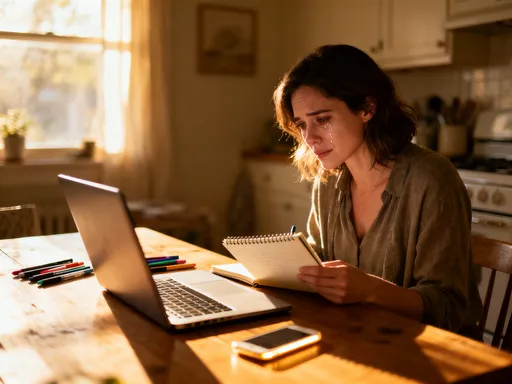
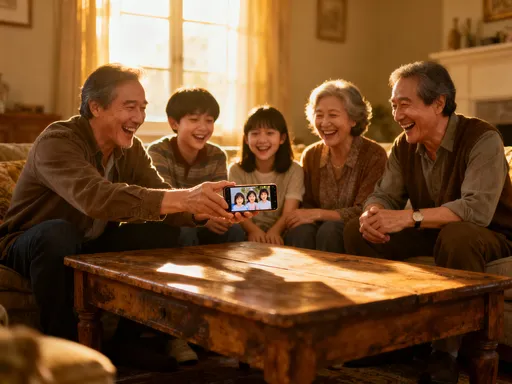
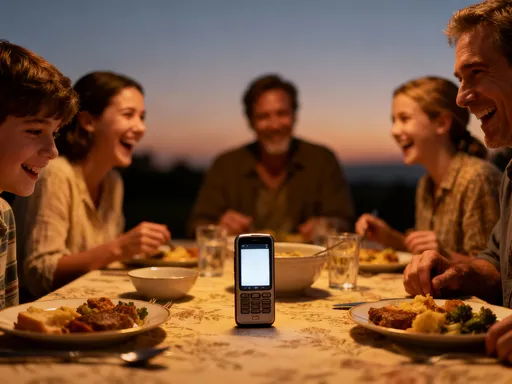
That’s when I decided to try something small. I brought my phone to dinner, placed it in the center of the table, and hit record. No announcement. No fanfare. Just a quiet press of a button. I didn’t tell anyone until after, when I played back a 30-second clip of my mom teasing my brother about his high school haircut. His face lit up. “I forgot I used to wear that thing every day!” he said. In that moment, I realized we weren’t just saving stories—we were saving each other.
Why Voice Matters More Than We Think
We’re used to capturing life visually. We snap photos of birthdays, holidays, graduations. We post them, we scroll past them, we forget them. But something happens when you hear a voice—especially one you love. It’s not just the words. It’s the pause before the punchline. The breath before a deep memory. The way someone’s tone softens when they talk about someone they’ve lost. A written note can’t carry Mom’s laugh or Grandpa’s storytelling rhythm. Voice holds emotion, rhythm, identity.
Research shows that people remember emotional tone longer than facts. Think about it: you might not recall what you had for dinner last Tuesday, but you’ll remember how your daughter sounded when she told you about her first school play—nervous, proud, a little shy. That’s the stuff that sticks. And when a loved one is gone, it’s not the photos we reach for first. It’s the voicemails. The old videos. The recordings we never meant to keep but are suddenly priceless.
I started thinking: what if we treated family voices like heirlooms? Not something to post online, not a performance for likes or shares, but something private, protected, passed down. It wasn’t about nostalgia—it was about emotional preservation. Our stories weren’t just memories; they were connection. They were proof that we mattered to each other. That we were seen. That we were heard. And in a world where everything feels fast and disposable, that kind of slow, intimate documentation felt like resistance. Like love made tangible.
Choosing the Right Tool: Simplicity Over Features
I’ll be honest—I tried a few apps before I found the one that worked. Some were too fancy, with editing tools and filters and sharing options I didn’t want. Others required subscriptions or automatic cloud uploads, and I wasn’t comfortable with my family’s voices floating around a server somewhere. I wanted something simple, private, and reliable. Something that wouldn’t make people feel like they were being interviewed or broadcasted.
The app I settled on was basic—no bells, no whistles. It didn’t even have a flashy name. It just recorded audio, saved it locally, and backed it up automatically to my encrypted drive. I could add tags—like “Thanksgiving 2023” or “Grandma’s Kitchen Stories”—and search them later. No editing skills needed. No complicated settings. Just press play, place the phone in the center of the table, and let the meal unfold.
The key was frictionless use. Anything that required setup, permissions, or explanation would fail at a noisy family dinner. We weren’t making a podcast. We were living. The phone was just there, like the salt shaker or the candle. And because the app was simple, it didn’t distract. It just listened. That’s what made it work. It wasn’t technology imposing on life—it was technology quietly serving it.
How We Made It a Habit Without Making It Weird
At first, people froze when they saw the phone. “Are we being recorded?” my cousin asked, half-joking, half-worried. My nephew whispered, “Is this going on the internet?” That’s when I realized: trust mattered more than the tool. So I explained it simply. “No one’s listening but us. This is just for our family. We’re saving the stories—like a voice scrapbook.”
We made it part of the ritual. Before we ate, I’d say, “Let’s keep tonight’s talk safe,” and raise my glass. It became a little toast, a signal that this moment mattered. At first, it felt a little staged. But after a few times, it felt natural. Soon, the kids started reminding me. “Don’t forget to record!” my niece would say as she pulled out her chair. My teenage cousin began asking, “Can we save this one? I want to hear it later.”
It wasn’t about performance. No one changed what they said. If someone told a long story, we let it breathe. If the dog barked or the baby cried, we left it in. Those weren’t mistakes—they were real. And over time, the presence of the phone stopped being strange. It became familiar. Like the table itself. We weren’t being recorded—we were being remembered.
Organizing Stories So They’re Actually Findable Later
The real challenge wasn’t recording—it was finding specific moments later. After a few weeks, I had dozens of files, all named things like “Dinner_Monday” or “Family_Night.” Useless. I realized that if I couldn’t find a story when I needed it, it might as well not exist.
So I started adding simple tags. After each recording, I’d spend two minutes labeling it: “Grandma’s Italy Trip,” “Dad’s First Job,” “When Mom Fell Off the Bike.” The app let me search by date, keyword, or tag. I created folders by year and holiday—Thanksgiving, birthdays, summer visits. It didn’t take long, and it made all the difference.
Six months in, my nephew wanted to hear the story about his mom’s bike accident. He typed “bike” into the search bar, and there it was—my sister’s voice, laughing as she described how she tried to ride uphill in a skirt and ended up in the bushes. We all listened, laughing all over again. The tool wasn’t just storing audio; it was organizing love. It turned chaos into connection. And when my dad passed away last winter, we gathered around the speaker and listened to his voice telling his favorite jokes. It didn’t fix the grief. But it made him feel close. And that was enough.
Unexpected Gifts: Healing, Identity, and Connection Across Distance
Sometimes, the best things come from accidents. I didn’t start this project to heal. I just wanted to remember. But over time, I noticed how these recordings began to do more than preserve—they began to connect.
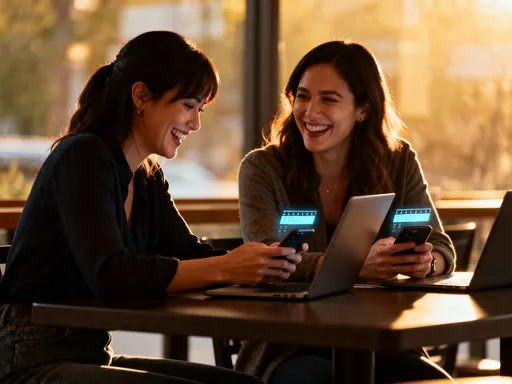
When my aunt moved overseas for her daughter’s job, she started listening to old recordings during her lonely evenings. “Hearing Dad’s voice makes me feel close,” she told me. “It’s like he’s still at the table.” She’d play them while cooking, recreating the sounds of home in her new kitchen. And when my teenage cousin started asking questions about her babyhood, we played the recordings from her first birthday dinner—her giggles, her first word, the way my sister sang “Happy Birthday” off-key. You could see it in her eyes: she wasn’t just hearing a story. She was feeling like she belonged.
For the kids, these recordings became a way to understand where they came from. For the adults, they became a way to feel remembered. One night, my mom listened to a recording from 2022 and said, “I didn’t realize I told that story so often. I guess it matters to you all.” It wasn’t just about the past—it was about being seen in the present. The dinner table had expanded beyond the kitchen. It now lived in headphones, in cars, in faraway time zones. And every time someone pressed play, they were coming home.
How You Can Start—Tonight—with Almost No Effort
You don’t need special equipment. You don’t need a fancy app. If all you have is your phone’s voice memo app, that’s enough. Start small. Begin with one meal. Tell everyone at the table: “Let’s save this one.” Let them know it’s just for family, just for memory. No pressure. No performance.
Name the file something simple—“April Dinner – Uncle’s Fishing Story” or “Thanksgiving Laughter.” That way, you’ll actually find it later. You don’t have to record every meal. Start with holidays, birthdays, or Sunday dinners. Let it grow naturally. Over time, you’ll build a living archive—something that breathes, that evolves, that feels alive.
The beauty is, it won’t feel like tech. It’ll feel like family. The app doesn’t judge. It doesn’t interrupt. It just listens. And in a world that’s always asking us to do more, say more, share more, this is different. This is about receiving. About honoring. About saying, without words, “I want to remember you this way.”
Technology Doesn’t Have to Be Flashy to Be Meaningful
Technology doesn’t have to be flashy to be meaningful. Sometimes, the most powerful tools are the quiet ones—the ones that sit on the table and listen. By recording our dinners, we didn’t just capture stories. We slowed time. We honored each other. And we built something no algorithm can replicate: a legacy of belonging, one conversation at a time.
It’s been six months now. Thirty-seven recordings. Some are long, some are short. Some are full of laughter, others are quiet, reflective. But each one is a thread in the story of us. And when I play them back, I don’t just hear voices. I hear love. I hear home. I hear the truth that the most ordinary moments are often the ones worth keeping forever.
So tonight, if you’re sitting around the table with people you love, consider pressing record. Not for the internet. Not for fame. But for the future. For the child who will one day want to hear their grandmother’s laugh. For the sibling who will miss their father’s jokes. For yourself, when you need to remember how it felt to be together.
Because in the end, it’s not about the tech. It’s about the talk. The connection. The legacy we leave, not in things, but in voices. And that’s something worth saving.