Synced Our Calendars for 6 Months: The App Habit That Fixed Our Friendship Rhythm
Friendships fade not because we stop caring, but because life gets loud. I nearly lost touch with my closest friend—same city, same age, both overwhelmed. Then we tried something small: syncing our calendars. No grand gestures, just shared availability. Over six months, it reshaped how we showed up for each other. This isn’t about perfect planning. It’s about using one simple app habit to protect what matters—real connection in a chaotic world. We didn’t need more time. We needed to see each other’s time. And once we did, everything shifted—quietly, gently, and more deeply than we ever expected.
The Slow Drift No One Talks About
We started as those inseparable friends—the kind who texted good morning and good night, who met for coffee every Thursday, who called each other after every family dinner. Life felt full because we shared it so freely. But slowly, without a fight or a falling-out, the rhythm changed. Our meetups dropped from weekly to monthly, then to “we really should catch up soon.” We still loved each other. We still cared. But our days were full in different ways, and we kept missing each other in the chaos.
She’s a morning person. Her energy peaks by 8 a.m., and by 7 p.m., she’s ready to unplug. I’m the opposite—I’m sluggish in the morning but come alive after dinner. She schedules doctor appointments on Saturdays. I use weekends to rest and reset. We both had kids, jobs, aging parents, and endless to-do lists. We weren’t avoiding each other—we just couldn’t find the same space in time.
And here’s the thing no one admits: guilt crept in. I’d see her Instagram story at the farmer’s market and think, “We used to go there together.” She’d hear about a new bookstore I loved and wonder, “Why didn’t she invite me?” But neither of us said anything. I assumed she didn’t want to make plans. She thought I was too busy for her. The truth? We were both lonely, both wishing things were easier, both too tired to figure it out.
The Moment We Decided to Try Something Different
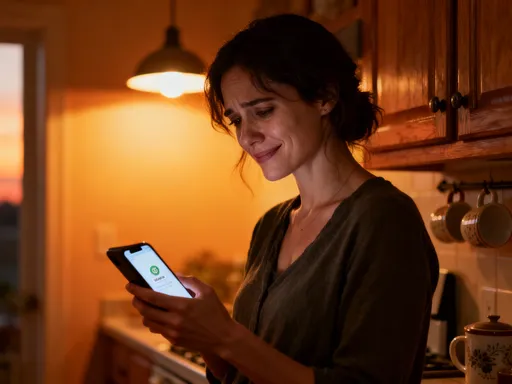
Then came that rainy Tuesday. She texted me: “I passed your favorite café and thought of you.” Not a plan. Not a question. Just a quiet moment of remembrance. And it hit me like a wave—this friendship mattered more than my inbox, more than my schedule, more than my pride. We weren’t drifting apart because we stopped caring. We were just living blind.
So I called her. “What if,” I said, “we could actually *see* when the other is free? Not to over-schedule, but just to stop guessing?” She paused. Then she said, “I’d love that.”
We both already used a calendar app—nothing fancy, just the one built into our phones. We decided to share our availability with each other, not every detail of our days, but the general shape of our time. We agreed on three simple rules: update every Sunday night, mark energy levels honestly, and leave at least one open block each week just in case. No pressure. No guilt. Just clarity.
The first week felt strange. It was like peeking into someone’s life without permission. But after a few days, it felt normal. Natural, even. I saw she had a “low energy” block on Mondays, so I stopped sending long voice notes then. She noticed my “focus hours” on Wednesday mornings and didn’t expect replies. We weren’t changing our lives—we were just seeing each other more clearly.
How Calendar Syncing Became Our Emotional Compass
At first, the calendar was just colors on a screen—green for free, yellow for light work, red for busy. But over time, those colors started to mean more. They became a language. When I saw her Friday evening was marked “recharge,” I didn’t take it personally if she didn’t answer. I knew she wasn’t ignoring me—she was honoring herself. And when she saw I had a full week ahead, she’d send a simple “Proud of you. Take care.”
This wasn’t about efficiency. It was about empathy. The app didn’t replace our emotional connection—it deepened it. We began to understand not just *when* the other was free, but *how* they were feeling. That tiny layer of context—“low energy,” “need quiet,” “open to chat”—changed everything.
I remember one Wednesday, I was having a tough day. My calendar showed “focus hours,” but she sent a note: “Saw your screen is red all week. Can I bring soup Friday?” I almost cried. She didn’t interrupt me. She didn’t pressure me. She just saw. And that made me feel seen in a way I hadn’t in years.
We started using small icons—like a coffee cup for “up for a chat” or a moon for “need space.” It wasn’t techy. It was tender. The calendar became our emotional compass, quietly guiding us toward kindness, not obligation.
Building Rituals Around Real Life, Not Idealized Plans
Before, we used to say, “Let’s meet for brunch next month!” and then forget. Or worse, we’d plan something big and one of us would cancel last minute. There was always pressure to make up for lost time with long, perfect hangouts. But real life isn’t perfect. And real friendship doesn’t need perfection—it needs presence.
So we stopped chasing three-hour coffee dates. Instead, we built tiny rituals around the time we actually had. A 15-minute walk during our shared free block on Thursdays. A voice note exchange every Sunday night. A monthly “reset coffee” where we’d talk about nothing and everything.
The calendar helped us spot patterns. We both hit a wall around the 15th of each month—kids’ deadlines, work reviews, family events. So we started scheduling a “light check-in” around then—just a 10-minute call, no agenda. It wasn’t much, but it kept us connected when we needed it most.
And here’s the surprise: those small moments became more meaningful than the big plans. I looked forward to our micro-walks. She saved my voice notes like treasures. We weren’t fitting friendship into our lives—we were letting it live in the cracks, and it thrived.
When Tech Fades Into the Background, Life Steps Forward
The real magic happened when we forgot the calendar was even there. We stopped asking, “When can we meet?” and started living in rhythm. A notification would pop up: “Free window—2:17 PM.” One of us would text: “Walk?” The other would say yes. No back-and-forth. No “What works for you?” No overthinking.
It felt effortless. Natural. Like we were finally speaking the same language. The app didn’t control us—it freed us. It removed the friction that used to kill our plans before they began.
One afternoon, I was overwhelmed with work. My calendar was red, but I had a 20-minute gap. I saw she had the same. I texted, “Can’t talk. Can I just sit with you?” She replied, “Yes. Bench by the library. Bring your laptop.” I showed up, we sat in silence, both working, both present. It was one of the most comforting moments we’d shared in years.
That’s when I realized: the tool wasn’t the point. The point was that we were finally showing up—on time, with care, without drama. The tech faded, and the friendship stepped forward.
Making It Work Without Losing Yourself
Of course, it wasn’t always smooth. At first, I worried: would this feel like surveillance? Would I have to explain every blank space? Would our friendship become transactional?
We learned fast that boundaries were everything. We didn’t share every event. No doctor appointments, no family conflicts, no private moments. We used vague labels—“personal time,” “recharge,” “family only”—to protect our privacy. And we both kept “no-see” zones—times we wouldn’t check in, wouldn’t expect replies, wouldn’t even look at the shared view.
The goal wasn’t constant connection. It was *intentional* connection. We weren’t trying to be in each other’s lives every hour. We were trying to be there when it mattered.
And here’s what surprised me: sharing my calendar made me more aware of my own needs. I started blocking time for walks, for reading, for quiet. I stopped saying “I’m fine” when I was drained. Because I could see it on my screen, I could honor it. And she did the same. In protecting our individual rhythms, we actually strengthened our shared one.
Why This Tiny Habit Changed More Than Just Our Friendship
Six months in, I realized something bigger had shifted. We weren’t just reconnecting—we were living differently. I was more present with my kids because I wasn’t distracted by guilt over missing my friend. She was less stressed at work because she wasn’t juggling unmet plans in her head. We both felt calmer, clearer, more in control.
Seeing my patterns next to hers helped me understand myself. I’m not lazy—I’m just a night person. I don’t dislike mornings—I just need more time to wake up. She’s not distant—she just recharges differently. This tiny tech habit didn’t just fix our friendship. It helped us both grow.
We started applying the same mindset to other relationships—our spouses, our parents, even our coworkers. We began asking, “How can we see each other’s rhythms?” instead of assuming. We became more patient. More generous. More human.
And the best part? We didn’t need a new app or a fancy system. We just needed to look at what we already had—a calendar—and use it with care. It wasn’t about productivity. It was about presence. About saying, without words, “I see you. I respect your time. I value you.”
So if you’ve been missing someone—your sister, your best friend, your college roommate—don’t wait for a perfect moment. There may never be one. Try this instead: open your calendar. Share a view. Start small. Be honest. Leave space. Let the tech do the heavy lifting so your heart can do the loving.
Because friendship isn’t about how much time you have. It’s about how you use it. And sometimes, all it takes is seeing each other’s time to finally be in it—together.