Tired of Wasting Time and Money on Food Delivery? Here’s How One App Transformed My Solo Dinners
Ever ordered takeout just to end up with cold noodles, a missing sauce packet, and a $20 hole in your wallet? I’ve been there—staring at my phone, regretting another messy, overpriced meal. But what if your food app could actually help you eat better, save money, and even feel more in control? After months of testing, I discovered small tweaks that turned a simple delivery tool into a personal habit coach. It’s not magic—it’s smart usage. And honestly, it changed how I see not just dinner, but my whole routine.
The Solo Diner’s Dilemma: Why Food Delivery Often Feels Like a Guilty Habit
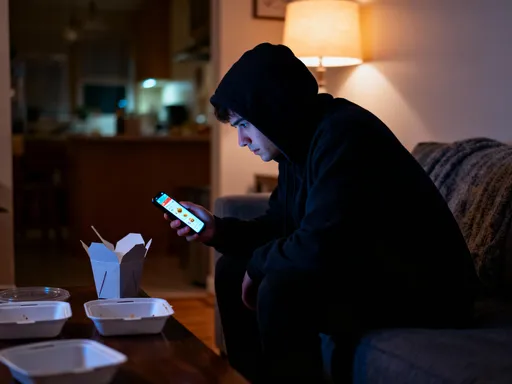
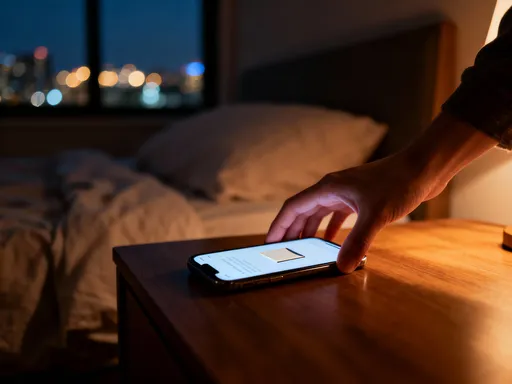
Let’s be real—when you live alone, cooking for one can feel like a chore no one talks about. You buy a whole bunch of ingredients, use half, and then spend the next three days eating the same sad stir-fry. So, you open the app. It’s easy. It’s fast. But after a while, that convenience starts to feel heavy. I used to scroll through options at 8 p.m., tired from work, standing in my kitchen in socks, thinking, Just give me something. Anything. And every time, I’d end up with greasy dumplings or a cold sandwich, sitting on the couch with the TV on, not even tasting it. Sound familiar?
It wasn’t just about the food. It was about how I felt afterward—sluggish, guilty, like I’d failed myself again. I wasn’t just ordering dinner; I was numbing out. The app wasn’t the problem, but my habits were. I realized I wasn’t choosing meals. I was reacting. And every time I tapped “order,” I was reinforcing a cycle: stress → hunger → impulsive click → regret. That pattern didn’t just affect my waistline—it affected my mood, my energy, even how I saw myself. Was I really too busy to care? Or had I just forgotten how to care, one tap at a time?
Living alone doesn’t mean you have to eat alone in silence, but it can start to feel that way. The loneliness sneaks in when you don’t expect it—like when you see a family dinner photo on social media or pass a couple laughing over takeout at a park. And suddenly, your meal feels smaller, emptier. But here’s what I learned: the problem wasn’t being alone. It was how I was treating those moments. I was outsourcing not just cooking, but comfort. And that’s when food delivery stopped being helpful and started being a habit I needed to fix.
From Mindless Ordering to Intentional Eating: How Apps Can Become Coaches
Here’s the thing I didn’t expect: the same app that used to fuel my bad habits could also help me break them. I started paying attention to something simple—my order history. I went back and looked at what I’d ordered over the past month. And wow. Seven times in two weeks, I’d gotten the same fried chicken bowl. No variation. No thought. Just comfort on repeat. Seeing it laid out like that was a wake-up call. It wasn’t just about food—it was about autopilot. I wasn’t making choices. I was stuck in a loop.
But the app had tools I’d never used. Filters for dietary preferences, like “high protein” or “vegetarian.” A favorites section I could actually curate, not just dump meals into. Even a spending summary—something I’d ignored for months. Once I started using these features, things shifted. Instead of opening the app and blindly scrolling, I’d ask myself: What do I actually need tonight? Energy? Comfort? Something light? I began saving two or three healthy go-to options as favorites. Not because they were trendy, but because they made me feel good afterward. And slowly, my order history started to reflect that.
The app became less of a temptation and more of a mirror. Every time I saw I’d spent $80 on delivery in a week, I paused. Not with guilt, but with curiosity. Where did that go? Could I redirect even half of that? And when I noticed I kept ordering the same thing, I’d challenge myself: Try one new place this week. Something with more veggies. It wasn’t about perfection. It was about awareness. And that’s when the app stopped being just a delivery tool and started feeling like a quiet coach in my pocket—nudging me toward better choices, one small decision at a time.
Building a Routine: Using the App to Create Structure, Not Chaos
When you live alone, routine can be your best friend—or your worst enemy. Without someone else to cook for or eat with, it’s easy to fall into chaos. Meals happen whenever. Or they don’t happen at all. I used to wait until I was starving to open the app, which meant I was more likely to pick something salty, greasy, or overly processed. Sound familiar? Hunger + stress + late hour = bad decision city.
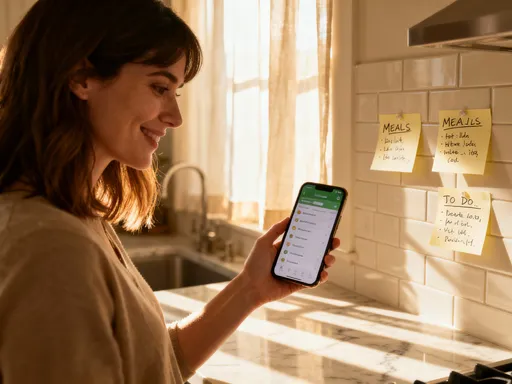
So I decided to build guardrails. Nothing extreme. Just small rules to give my evenings some shape. One was simple: no orders after 9 p.m. That gave me a cutoff time to decide, which meant I had to think ahead. Another was: plan at least two dinners a week in advance. Not cook—just plan. I’d open the app on Sunday night, look at what looked good, and save a few options. Not committing, just preparing. It took five minutes, but it made a huge difference. When 7 p.m. rolled around on Wednesday, I wasn’t staring at a blank screen. I had choices ready.
I also started using the “favorites” list like a personal menu. I’d group them: one for quick comfort meals, one for healthy picks, one for when I wanted to treat myself. That way, I wasn’t overwhelmed by 200 options. I had structure. And here’s a little trick: I’d set a reminder on my phone for 6:30 p.m. to check the app. Not to order, but to decide. That small pause created space between impulse and action. It didn’t feel restrictive—it felt freeing. Like I was finally in charge of my own time and choices.
Structure doesn’t kill spontaneity. It protects it. Because now, when I do want to order something fun or indulgent, it feels like a choice, not a collapse. And that shift—from chaos to calm planning—changed more than my eating. It changed how I felt about my evenings. More in control. More at peace.
Saving Without Sacrificing: Smart Spending Habits That Stick
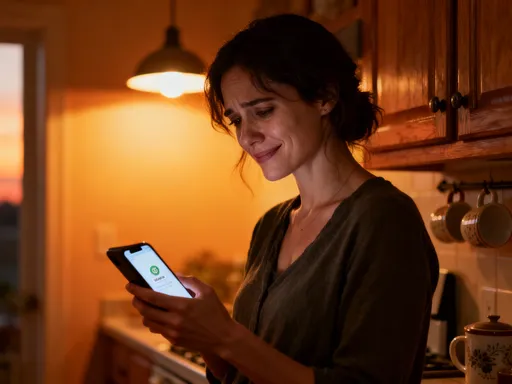
Let’s talk money. I didn’t realize how much I was spending on delivery until I saw the total at the bottom of my monthly summary. $327. On takeout. For one person. That number hit me like a splash of cold water. I wasn’t treating myself—I was draining my savings on autopilot. And the worst part? I wasn’t even enjoying most of it. Those late-night orders? They weren’t memorable. They were just… there.
But I didn’t want to go cold turkey. I still wanted the convenience. So I looked for ways to save without feeling deprived. The first thing I did was turn on price alerts and promo notifications—but with a rule: I wouldn’t order just because there was a deal. That was key. The discount had to be on something I already wanted or needed. I started stacking loyalty points, too. Most apps let you earn rewards, and I began tracking them like a mini game. “Five more orders and I get a free meal.” It made me more mindful, not less.
I also learned to time my orders strategically. Did you know delivery fees often drop during off-peak hours? Ordering at 5:30 p.m. instead of 7:30 p.m. saved me $3–$5 per meal. That’s $120 a month—enough for a nice dinner out or a weekend grocery haul. I started avoiding delivery fees by picking up my food sometimes. Just a 10-minute walk, but it saved money and got me moving. And I used the app to compare prices across restaurants instead of just going with the first thing I saw.
The biggest shift? I started treating delivery like a budgeted expense, not a free-for-all. I set a weekly limit—$50—and tracked it in my notes app. When I got close, I paused. Not because I was failing, but because I was paying attention. And guess what? I stayed under budget more often than not. Saving money didn’t mean eating worse. It meant eating smarter. And that felt like a win I could actually celebrate.
Rediscovering Joy in Eating Alone: Turning Meals into Moments
Here’s a truth I had to learn: eating alone doesn’t have to feel lonely. It can feel peaceful. Even joyful. But it takes intention. I used to eat on the couch, phone in hand, barely tasting my food. It wasn’t a meal—it was fuel. Then I started changing the scene. I’d set the table. Use real plates. Light a candle, even if it was just me and my curry. I’d put on a playlist—something warm, like jazz or acoustic covers. And I’d close my eyes for one bite, just to taste it fully.
The app helped here, too. Instead of grabbing whatever was fast, I started choosing meals that felt special. A Thai curry with jasmine rice. A fresh poke bowl with mango and avocado. Something that looked good, smelled good, and made me feel good. I wasn’t just feeding my body—I was honoring the moment. And that changed everything.
One night, I ordered from a little Mediterranean place I’d never tried. Got the grilled chicken with herbed rice and roasted vegetables. Set the table, poured sparkling water in a nice glass, played a podcast in the background. And for the first time in a long time, dinner felt like an event. Not because it was fancy, but because I’d made it matter. The app didn’t just bring the food—it helped me create an experience.
That’s the shift: from survival to savoring. When you treat your solo meals with care, you’re not just eating. You’re practicing self-respect. You’re saying, I’m worth the effort. And that mindset spills over into other parts of life. You start making better choices, not because you have to, but because you remember you deserve to.
Cooking and Delivery: A Balanced Partnership, Not an Either/Or
I used to think it was cooking or delivery. No in-between. But that’s not true. The goal isn’t to never order in—it’s to find balance. And guess what? Delivery can actually help you cook more, not less. I started using the app to order side dishes or pre-chopped ingredients. Got roasted vegetables from a local kitchen to go with my grilled fish. Ordered pre-marinated tofu to toss into a stir-fry. It cut down prep time without sacrificing freshness.
Sometimes, I’d cook the main and order a side. Other times, I’d order the main and cook a simple salad. It wasn’t all or nothing. It was teamwork. And that took the pressure off. I didn’t feel like I had to do it all myself. The app became a kitchen ally, not a replacement. It helped me cook more often because it made the process easier, not harder.
I also started using delivery on days when I was truly drained—after a long week, a tough day, or when I just needed a break. And that’s okay. Self-care isn’t just bubble baths and face masks. Sometimes, it’s letting someone else handle dinner so you can rest. The key is doing it mindfully, not habitually. When I order now, it’s not because I’m too tired to think. It’s because I’ve decided I need the break—and that’s a powerful difference.
Balance means flexibility. It means using every tool available to support your well-being, not just survive the week. And when you see delivery as part of your routine, not a crutch, it stops feeling like failure and starts feeling like strategy.
The Bigger Picture: How Small Changes Build a Calmer, Smarter Life
Looking back, I realize this wasn’t just about food. It was about how I show up for myself every day. Those small changes—setting a cutoff time, tracking spending, lighting a candle—added up to something bigger. I feel more in control. More grounded. More like I’m living on purpose, not just reacting to life.
The app didn’t change. I did. I learned to use it with intention, not impulse. And that mindset has spilled into other areas—how I manage my time, how I spend money, how I care for my body. When you master the small things, the big things start to feel possible.
I still order delivery. But now, it’s a choice, not a default. I feel proud of how far I’ve come—not because I’ve achieved perfection, but because I’ve built a routine that works for me. One that’s kind, practical, and full of small joys.
So if you’re tired of the takeout treadmill, I get it. But don’t give up on the app. Try giving it a new purpose. Use it to support your health, your budget, your peace of mind. Because technology isn’t the problem. It’s how we use it. And when you use it with care, it can become more than a tool—it can become a quiet partner in building the life you want. One thoughtful meal at a time.