From overwhelmed to in control: How simple apps quietly changed my daily rhythm
Life used to feel like a never-ending to-do list—juggling reminders, missed appointments, and digital chaos. I’d forget passwords, lose photos in messy folders, and waste time just trying to stay organized. Then I stopped fighting technology and started using it differently. Not with complex tools or expert skills—just small, smart changes. This is the real story of how easy-to-use apps helped me breathe easier, think clearer, and finally feel in charge of my day—without needing a tech degree. It wasn’t about mastering every new feature. It was about finding peace in the everyday.
The Breaking Point: When Digital Tools Felt Like More Work
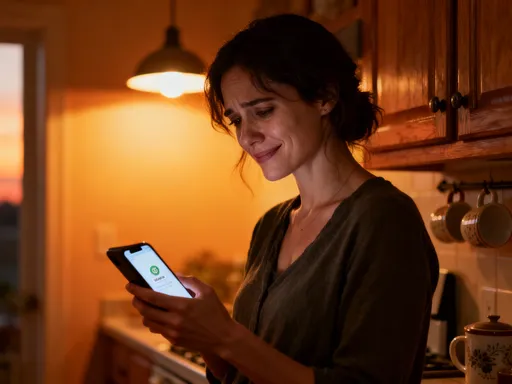
There was a morning—like so many others—when everything came crashing down. I had a call scheduled with my daughter’s school, one I’d reminded myself about three times the night before. But somehow, my phone stayed on silent, buried under a pile of grocery receipts on the kitchen counter. By the time I found it, the call had come and gone. No voicemail. No follow-up. Just silence, and a growing knot in my stomach. That moment wasn’t just about missing a call. It was the tipping point. I realized I wasn’t using my devices to help me—I was constantly reacting to them, always one step behind.
My phone, which was supposed to make life easier, had become a source of daily stress. Notifications popped up for things I no longer cared about. Apps I downloaded with good intentions sat untouched, their icons fading into the background like forgotten promises. I had five different reminder tools, three calendar apps, and a notes section that looked like a digital junk drawer. I’d spend ten minutes trying to remember my Wi-Fi password, only to give up and ask my teenager—again. The irony wasn’t lost on me: I owned all this powerful technology, yet I felt powerless.
That’s when I asked myself a simple question: What if I stopped trying to do everything at once? What if I didn’t need the most advanced app, or the fanciest system? What if I just needed one small thing that worked—consistently? I wasn’t looking to become a tech expert. I just wanted to feel calm. I wanted to trust my tools instead of dread them. And that shift in mindset—small as it seemed—was the beginning of real change.
Starting Small: The First App That Actually Felt Manageable
I decided to start with just one thing: my notes app. Not for to-do lists or grocery runs, but as a safe place for all the little details that always slipped through the cracks. You know the kind—your router password, the date of your dog’s next flea treatment, the name of that great restaurant your sister mentioned last month. These aren’t big things, but when you can’t find them, they become huge.
At first, it felt silly. I’d open the app and just type: “Mom’s coffee—medium roast, two sugars.” “Wi-Fi: Sunflower2020.” “Vet appointment: March 14, 10 a.m.” No formatting. No folders. No pressure. But within days, something shifted. I didn’t have to interrupt my son’s homework to ask for the school portal login. I could quickly pull up the oil change receipt when I needed the mileage. That tiny sense of control was like a breath of fresh air.
The real surprise? It didn’t take willpower. I didn’t have to “get organized” in some grand, sweeping way. I just had to show up once. Type once. Save once. And over time, that habit grew. I started adding more—my passport number, the name of my dry cleaner, even the size of the lightbulbs in the living room. It wasn’t glamorous, but it was working. For the first time, my phone wasn’t chasing me. I was using it—on my own terms.
Taming the Photo Chaos: Finding Joy in Memories Again
Let’s talk about photo storage—because if you’re like me, your phone gallery is a mess. Hundreds, maybe thousands, of photos you’ve never looked at twice. Blurry shots of breakfast, screenshots of texts, accidental selfies with your elbow in the frame. I used to scroll through mine and feel guilty—like I was hoarding moments I wasn’t even enjoying. I wanted to remember my family’s beach trip last summer, but finding the good shots felt like digging for treasure in a landfill.
Then I discovered an app that automatically sorted my photos—not by date alone, but by people, places, and even events. No setup. No tagging. I opened it one evening, and there it was: a folder labeled “Beach House 2023,” filled with clear, well-lit shots of my kids building sandcastles. Another folder: “Sophie’s Birthday,” with her blowing out candles, surrounded by cousins. I didn’t have to do anything but let the app do its thing.
Suddenly, my photos weren’t just data—they were stories. I started sharing them again. Not on social media, but with family. I sent a photo of my dad holding his first grandchild to his sister in another state. She called me, crying, saying she felt like she was right there. That moment hit me: technology wasn’t stealing my memories. I just hadn’t given it the right tools to help me keep them. Now, I don’t take fewer photos. I just enjoy them more—because I can actually find them.
Calendar Calm: How One Color Changed My Sense of Time
I used to ignore my calendar completely. It felt too rigid, too demanding. Seeing a full week of tiny blocks made me anxious—like I was already behind before I even started. I’d write things down on paper, then lose the paper. Or I’d set a reminder, but not check it until it was too late. My time felt scattered, out of sync with my actual life.
Then I tried something simple: coloring. I started assigning colors to different parts of my day—blue for family time, green for work or errands, yellow for “me time.” At first, it felt like a game. But soon, I noticed something powerful. Just glancing at my calendar gave me a sense of balance. If I saw too much green, I knew I was overworking. Too much blue, and I might be neglecting myself. A big yellow block on Saturday morning? That was my signal to protect that time—no matter what.
This small visual cue changed how I related to my schedule. I wasn’t just managing tasks anymore—I was honoring priorities. When my daughter asked if I could come to her school play, I didn’t have to guess. I could see instantly that I had a clear blue window. And when I said yes, I meant it—because I’d already made space. The app didn’t change. But my relationship with it did. I wasn’t being controlled by my calendar. I was using it to stay true to what mattered most.
Learning Without Pressure: The Power of “Just Try It Once”
One of the biggest barriers I faced wasn’t the technology—it was my own mindset. I kept thinking I had to “get good” at apps, like it was a test I might fail. I’d download something new, play with it for ten minutes, then uninstall it because I didn’t “get it” right away. Sound familiar? I thought I needed to master everything—sync settings, backup rules, privacy options. But that pressure kept me stuck.
Then I changed the rule: I only had to open the app once. That’s it. No expectations. No performance review. Just “try it once.” Some days, that’s all I did. I’d open a meditation app, listen to one minute of breathing, and close it. Or I’d tap on a recipe organizer, save one dish, and walk away. No guilt. No judgment.
But here’s the magic: doing it once often led to doing it twice. And twice turned into a habit. I didn’t need to be perfect. I just needed to show up. That mindset shift made all the difference. I stopped seeing apps as tools I had to conquer and started seeing them as helpers I could invite in—on my own schedule. I wasn’t bad at technology. I was just going about it with too much pressure. When I let that go, everything got easier.
Sharing the Load: How Simple Tools Brought Me Closer to Family
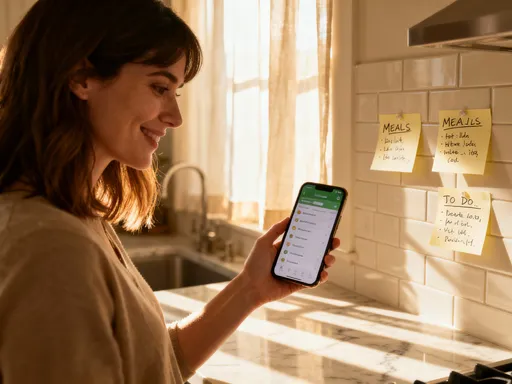
One of the most unexpected benefits of using simple apps was how they brought me closer to the people I love. I started sharing a shopping list with my partner—not just for groceries, but as a way to stay connected during the day. At first, it was practical: “Milk,” “Bread,” “Dog food.” But then, something sweet happened. He started adding notes: “You looked beautiful this morning.” I added one back: “Hope your meeting goes well!”
It became our little digital love language. No grand gestures. Just small, thoughtful touches that said, “I’m thinking of you.” We weren’t just sharing a list—we were sharing attention. And it made a difference. When I was overwhelmed, seeing his note at the top of the list reminded me I wasn’t alone. When he had a tough day, I’d add, “Dessert tonight—your choice.”
We also started using a shared family calendar. My teenage daughter, who used to roll her eyes at my “mom apps,” actually thanked me when she realized she could check when I was picking her up from practice. My mom, who lives two hours away, added her doctor’s appointments so I could keep track. It wasn’t about control—it was about care. These simple tools didn’t replace our conversations. They made space for more of them.
The Quiet Revolution: Living Lighter in a Digital World
Looking back, I didn’t transform my life overnight. There was no dramatic overhaul, no tech guru moment. Just small choices, repeated over time. I use fewer apps now than I did a year ago—but they do more. They don’t demand my attention. They support my rhythm. I’m not chasing notifications. I’m living my life.
The real win isn’t that I never forget a password or that my photos are neatly sorted. It’s that I feel calmer. More present. More in control. I have more mental space to listen to my daughter’s stories, to enjoy a quiet cup of coffee, to breathe. Technology didn’t fix my life—it helped me reclaim it.
And here’s what I’ve learned: you don’t need to be a tech expert to benefit from technology. You just need to start where you are. Pick one thing that feels heavy—your cluttered notes, your chaotic calendar, your overflowing photo roll—and try one small fix. Open the app. Type one thing. Save one memory. That’s enough. Because real change isn’t loud. It’s quiet. It’s consistent. And it’s possible—starting today.