Tired of late-night screen scrolling keeping you awake? This app helped me sleep better instantly
We’ve all been there—lying in bed, phone in hand, telling ourselves “just five more minutes” while the minutes turn into an hour. The blue light, the endless notifications, the mental clutter—it’s a recipe for restless nights. I used to battle insomnia, thinking it was just stress or caffeine. But the real culprit? My bedtime reading habits. That changed when I discovered a simple app that transformed my nighttime routine. It wasn’t about reading less—it was about reading smarter. And the result? Deeper sleep, calmer mind, and waking up feeling truly rested.
The Midnight Scroll Trap: How We Accidentally Sabotage Our Sleep
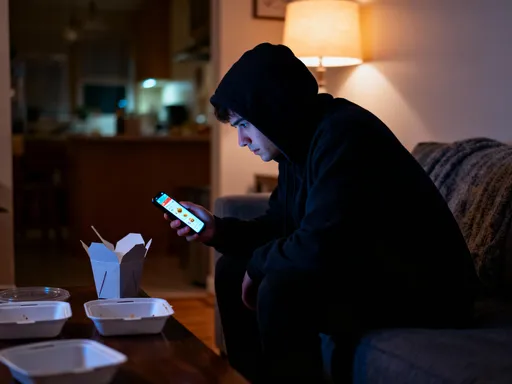
Let’s be honest—how many times have you told yourself, “Just one more article,” only to look up and realize it’s nearly 2 a.m.? You’re not alone. Most of us reach for our phones the moment our heads hit the pillow, hoping to relax after a long day. We think scrolling through social media, catching up on news, or reading a few pages of an e-book helps us wind down. But the truth is, it’s doing the exact opposite. That soft glow from your screen isn’t just lighting up the room—it’s lighting up your brain.
Here’s what’s really happening: the blue light emitted by smartphones and tablets suppresses melatonin, the hormone that signals to your body that it’s time to sleep. When melatonin is delayed, so is sleep. But it’s not just the light—it’s also the content. A dramatic plot twist in your favorite novel, a heated political post, or even a sad poem can spark emotions or thoughts that keep your mind racing. Your brain doesn’t know the difference between real-life stress and digital stress. It just knows it’s alert.
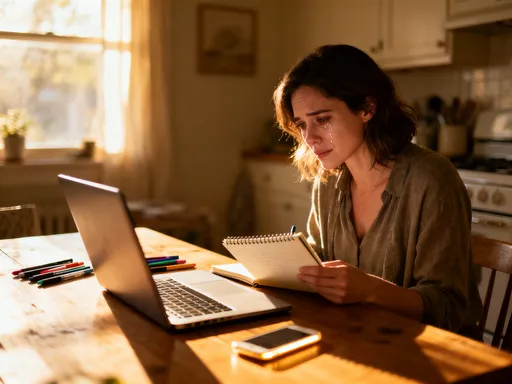
I used to think I was being productive—reading, learning, staying informed. But instead, I was overloading my nervous system at the worst possible time. I’d lie there, eyes closed, but my mind would replay everything I’d just read. The irony? I was using my phone to relax, but it was actually making me more anxious. I wasn’t winding down—I was winding up. And the worst part? I didn’t even realize it was happening. It felt so normal, so routine, that I didn’t question it. Until one night, I hit a breaking point. I was exhausted, but I couldn’t sleep. Again. That’s when I decided to look for a better way.
From Overwhelm to Wind-Down: Discovering the Right Tool
I didn’t want to give up reading before bed. It’s one of my favorite parts of the day—the quiet, the stillness, the chance to escape into another world. But I knew I had to change something. I tried turning off notifications, using night mode, even setting a timer. But nothing stuck. I’d forget, or override it, or just ignore it. Willpower only goes so far when you’re tired and your phone is right there.
Then I came across an app designed specifically for nighttime reading—not just to reduce eye strain, but to support better sleep. At first, I was skeptical. Another app? Really? But this one was different. Instead of fighting my habits, it worked with them. It didn’t ask me to stop using my phone. It just helped me use it in a way that didn’t sabotage my rest.
The first night I used it, I noticed a change almost immediately. The screen automatically dimmed as bedtime approached, and the colors shifted to warmer tones—soft amber instead of harsh white. It felt like the room had been gently lit by a bedside lamp. Even more helpful, the app began suggesting short, calming readings—just a few paragraphs of a soothing essay or a peaceful poem. No thrillers. No news. No endless scrolling. Just enough to keep my hands busy and my mind relaxed.
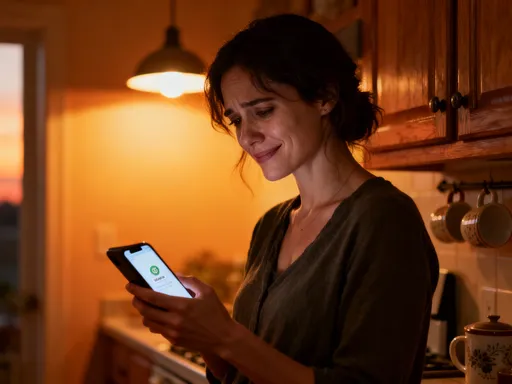
And here’s the thing—it didn’t feel like a restriction. It felt like care. Like someone had thought ahead and said, “Let’s make this easier for you.” I wasn’t depriving myself. I was upgrading my routine. That night, I fell asleep faster than I had in months. Not because I was more tired—but because my mind wasn’t racing. I didn’t have to fight the urge to keep reading. The app helped me stop at the right time, not the wrong one.
How Simplicity Wins: Design That Fits Real Life
One of the biggest reasons most tech tools fail is because they’re too complicated. They ask too much of us—too many settings, too many decisions, too much effort. But this app was different. It didn’t need a user manual. I didn’t have to spend an hour setting it up. I downloaded it, opened it, and within minutes, it started working.
It synced with my phone’s clock and learned when I usually started winding down—around 9:30 p.m. Every night, it would gently prepare my reading space. The interface changed: bigger text, fewer buttons, no distractions. No ads. No pop-ups. No suggested articles that would pull me into a rabbit hole. Just a clean, quiet screen with one purpose: to help me relax.
What I loved most was how it removed the need for willpower. I didn’t have to decide what to read. I didn’t have to remember to turn on night mode. I didn’t have to force myself to stop. The app handled all of that. It was like having a quiet friend who knew exactly what I needed and helped me do it without any fuss.
And that’s the secret—good design doesn’t fight human nature. It works with it. Most apps are built to keep you engaged, to hook your attention, to make you stay longer. This one was built to do the opposite. It was designed to help you let go. To step back. To breathe. It didn’t measure how many pages I read or how long I spent in the app. It measured something more important: how rested I felt the next morning.
Reading to Unplug, Not Overload: Curating Calm Before Bed
Not all reading is created equal—especially at night. Think about it: would you rather fall asleep after reading a murder mystery or a gentle reflection on nature? A heated debate online or a short poem about the stars? The content we consume before bed shapes the quality of our rest.
Before I found this app, I didn’t think much about what I was reading. I’d finish a chapter of a novel, then jump to a news article, then check a blog post—never realizing how each piece was adding to my mental load. But the app changed that. It started curating what I read based on tone, length, and emotional impact. It learned that I responded better to short, reflective pieces. It noticed I preferred nature writing over opinion pieces. And it began to suggest readings that matched that pattern.
One night, it recommended a three-minute essay about walking through a quiet forest. No drama. No conflict. Just peaceful description. I read it slowly, savoring each sentence. When I put my phone down, I didn’t feel the urge to pick it back up. Instead, I felt calm. My breathing had slowed. My shoulders had dropped. It was like the words had given my nervous system permission to relax.
The app even adjusted the reading length as bedtime got closer. Early in the evening, it might suggest something longer. But by 10 p.m., it was offering just a paragraph or two—enough to keep me company, but not enough to keep me awake. It was like a built-in bedtime coach, guiding me toward stillness without saying a word.
Building a Ritual, Not a Chore: How Small Changes Create Lasting Habits
Sleep isn’t something you fix overnight. It’s something you build, piece by piece, habit by habit. And one of the most powerful tools we have is ritual. Think about it—what do you do every night before bed? Maybe you brush your teeth, wash your face, or say goodnight to your family. These small actions signal to your brain that it’s time to shift gears.
This app helped me turn nighttime reading into one of those signals. It wasn’t just about the content or the screen settings—it was about the consistency. Every night, at the same time, the app would greet me with the same calm interface. The same soft colors. The same gentle tone. It became a cue: It’s time to slow down.
And over time, my brain started to respond. I didn’t need a reminder to feel tired. The routine itself created the feeling. It was like training a muscle—except this one was for peace. The more I practiced, the easier it became. I stopped fighting my phone. I stopped feeling guilty about using it. Instead, I started trusting it as part of my wind-down process.
What made it stick wasn’t perfection—it was progress. Some nights, I’d still read a little too long. Or I’d forget to open the app. But the app never judged me. It just welcomed me back the next night, ready to help again. There was no pressure, no guilt, no shame. Just a quiet, consistent presence that said, “We’ll try again tonight.” And that made all the difference.
Real Life, Real Results: What Changed After 30 Nights
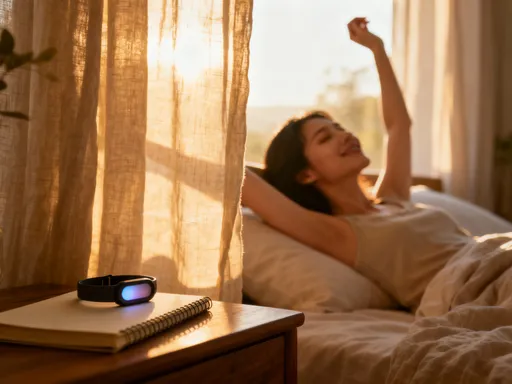
After using the app for a month, I started to notice changes that went far beyond sleep. Yes, I was falling asleep faster—usually within 15 to 20 minutes instead of lying awake for an hour. Yes, I was waking up less during the night. And yes, I was waking up feeling more refreshed, like I’d actually rested instead of just lying still.
But the deeper changes were the ones I hadn’t expected. I was calmer during the day. More patient with my kids. More focused at work. I wasn’t as reactive to small stresses. And I felt more in control of my time. It was like better sleep had given me a new lens for life—one that made everything feel a little softer, a little clearer.
My husband even noticed. “You seem different,” he said one morning. “Lighter. Happier.” I realized I hadn’t just improved my sleep—I’d improved my mood, my energy, my relationships. And it all started with one small change: reading smarter, not harder.
I also found that I was more intentional with my time. Because I wasn’t wasting an hour every night in the scroll hole, I had more space for things that mattered—reading a book I loved, journaling, or just sitting quietly with a cup of tea. I wasn’t just sleeping better. I was living better.
A Smarter Night for Everyone: Why This Matters Beyond Just Sleep
This journey taught me something important: technology doesn’t have to be the enemy of peace. When it’s designed with care, with an understanding of how we really live, it can become a tool for well-being. It can support us in ways we never expected. It can help us slow down, even in a world that’s always speeding up.
What I love most about this app isn’t just that it helped me sleep. It’s that it reminded me I deserve rest. That I don’t have to choose between staying connected and staying calm. That small, thoughtful choices—like what I read and how I read it—can add up to big changes over time.
If you’re someone who lies in bed with your phone, telling yourself “just five more minutes,” I want you to know there’s another way. You don’t have to quit cold turkey. You don’t have to feel guilty. You just need a better tool—one that respects your needs, your habits, and your humanity.
Because better sleep isn’t just about feeling more rested. It’s about showing up as the person you want to be—calmer, kinder, more present. And that’s worth every small change. So tonight, instead of reaching for your usual scroll, try something different. Let your phone help you wind down, not wind up. You might just find, like I did, that the most powerful tech isn’t the one that keeps you awake—it’s the one that helps you finally rest.