It’s Not Just About Photos: How a Simple Travel Journal App Transformed the Way I Remember My Trips
Have you ever returned from a trip, excited to relive the memories, only to find your photos buried in your phone and your feelings already fading? I felt the same—until I started using a travel journal app that changed everything. It didn’t just organize my trips; it helped me truly experience them. This is the story of how a simple tool brought deeper meaning, connection, and joy to my travels—no tech expertise required. It wasn’t about capturing perfect shots or collecting likes. It was about holding on to the quiet moments, the unexpected laughter, the warmth of a place that touched my heart. And honestly? I didn’t expect a little app to give me back what I thought time had taken away.
The Moment I Realized My Travel Memories Were Slipping Away
I used to think that taking pictures was enough. Snap a photo of the mountain view, the street market, the cozy café with ivy climbing the walls, and boom—you’ve saved the memory. For years, that’s how I traveled. I’d come home with hundreds of photos, drop them into folders labeled things like “Italy 2019” or “Fall Getaway,” and tell myself I’d look through them “someday.” But that day rarely came. When it did, I’d scroll through the images, and something felt… off. I could see the places, yes, but I couldn’t feel them. Where was the crisp morning air in the Alps? The way the baker in Lisbon smiled when he handed me that warm pastel de nata? The sound of my daughter giggling as we got caught in a sudden downpour in Kyoto? Those feelings were gone, like mist burned away by the sun.
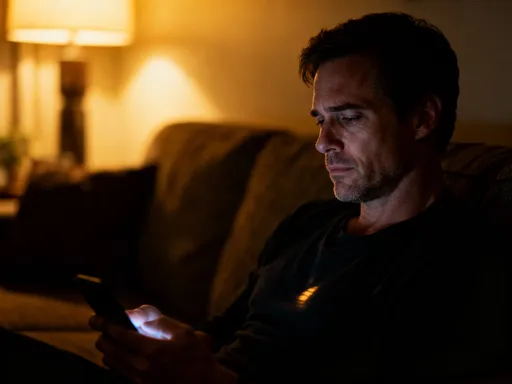
One evening, I sat on the couch, phone in hand, flipping through a slideshow of a trip I’d taken just eight months earlier. I recognized the landmarks, but I couldn’t remember how I’d felt standing in front of them. Was I in awe? Tired? Overwhelmed? Joyful? The emotions had blurred into a vague sense of “I was there.” That’s when it hit me: I wasn’t preserving my memories—I was archiving them like old receipts. The photos were data, not stories. They didn’t tell me what the moment meant, only what it looked like. And for someone who travels to feel alive, to grow, to connect with new places and people, that wasn’t enough. I realized I needed something more—something that could hold not just the image, but the heartbeat of the experience.
It wasn’t just about forgetting details. It was about losing a part of myself. Travel has always been my way of recharging, of stepping outside my daily routine and remembering who I am when I’m not juggling school pickups, grocery lists, and work deadlines. But if I couldn’t remember how those trips made me feel, what was the point? That night, I made a quiet promise: the next time I traveled, I wouldn’t just take pictures. I’d find a way to keep the feeling alive.
Discovering a Tool That Felt Like It Was Made for Real Life
I wasn’t looking for anything complicated. No flashy dashboards, no endless settings, no pressure to write paragraphs every day. I just wanted something easy—something that fit into my life the way a good pair of walking shoes fits your feet. I didn’t want to spend my vacation learning how to use an app. I wanted to spend it living.
That’s how I found a travel journal app that felt different. It wasn’t built for influencers or digital nomads. It was built for people like me—mothers, travelers, dreamers—who want to remember without the stress. The first time I opened it, I was surprised by how simple it was. A clean screen. A button that said “Add Entry.” No tutorials, no pop-ups, no sign-up for a newsletter I didn’t ask for. I could add a photo, type a sentence, or record a voice note—all in under ten seconds. I didn’t have to be perfect. I didn’t have to write a novel. I just had to be present.
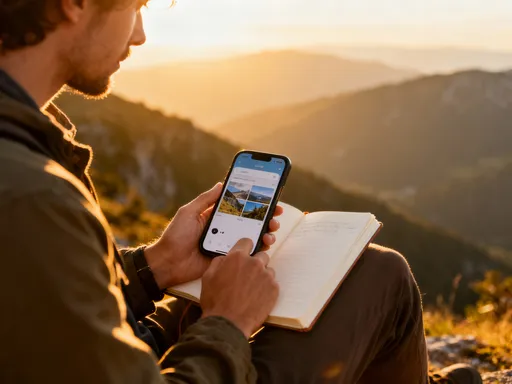
On my next trip—a quiet weekend in the mountains—I tried it. I took a photo of the mist rising off the lake at dawn. Then, instead of putting my phone away, I tapped the microphone and whispered, “It’s so still here. I can hear my own breath. I feel… peaceful.” Later, over coffee at a little cabin café, I typed: “The owner brought me honey from her bees. It tasted like sunshine.” Those weren’t Pulitzer-worthy lines. But they were true. And for the first time in years, I felt like I was actually capturing the trip—not just documenting it.
What surprised me most was how natural it felt. I wasn’t “using technology.” I was just talking to myself, writing in a digital notebook. The app didn’t demand attention. It waited. If I had five seconds, I could add a photo. If I had five minutes, I could write more. It didn’t judge. It didn’t tell me I hadn’t posted in three days. It was just there, like a quiet companion on the journey. And slowly, I began to look forward to those little moments of reflection—like a mini ritual that helped me slow down and savor what I was experiencing.
How It Quietly Improved My Travel Habits
I didn’t expect the app to change how I traveled. I thought it would just help me remember. But something shifted. Because I knew I could capture a moment easily, I started noticing more. I’d pause not to take the perfect photo, but to feel the warmth of the sun on my face or listen to the birdsong in the trees. I’d think, “I want to remember this,” and then I’d open the app and record a few words or a short voice clip. That simple act made me more present, not less.
Before, I’d rush from one sight to the next, camera in hand, worried I’d miss something. Now, I moved slower. I’d sit on a park bench and write about the old man feeding pigeons. I’d save a digital copy of my train ticket because it reminded me of the excitement I felt boarding that morning. I started collecting small moments instead of just big landmarks. And because the app made it so easy, I didn’t feel overwhelmed. I wasn’t trying to journal every hour. Just a few times a day—when something moved me, made me laugh, or surprised me.
One afternoon, I was walking through a small village in Tuscany. The streets were quiet, the air smelled like rosemary and wood smoke. I stopped in front of a little shop with handmade ceramics in the window. I didn’t take a photo right away. Instead, I just stood there, breathing it in. Then I whispered into my phone: “This is the kind of place that makes you want to move here and open a bakery.” I laughed at myself, but I saved it. That moment—so small, so ordinary—became one of my favorites. Because I had captured the feeling, not just the image.
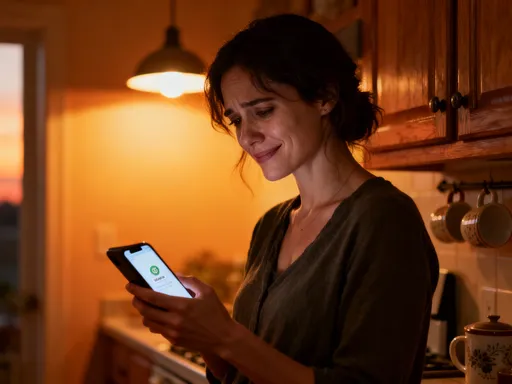
Over time, these tiny habits added up. I returned home not just with photos, but with stories. I could tell my daughter about the baker who gave me a free cookie because I admired his dog. I could show my husband the voice note I recorded watching the sunset over the ocean—waves crashing, seagulls calling, me saying, “I wish you were here.” Those weren’t just memories. They were invitations to relive the joy, the peace, the wonder.
Sharing Journeys Without Losing Their Meaning
One of the most unexpected gifts of using the travel journal app was how it changed the way I shared my trips. I used to send long photo dumps to my family—dozens of images in a single message. “Look at this view!” “Check out this food!” But I could tell they weren’t really seeing it. They’d say “Beautiful!” but it didn’t feel like they were connecting with the experience.
Now, I share differently. Instead of 50 photos, I send one journal entry. Three pictures, a short note, and maybe a 15-second voice clip of the wind in the trees or children laughing in a plaza. I sent one like that to my mom after a trip to the coast. It had a photo of the lighthouse, a shot of my coffee on the windowsill, and a voice memo where I said, “The light here is golden. I feel so calm.” A few hours later, she called me. “That was the first time I really felt like I was with you,” she said. “I could hear your voice, your peace. It wasn’t just pretty pictures. It was you.”
That moment touched me deeply. I realized the app wasn’t just for me. It was a bridge. It let me share not just where I’d been, but how it made me feel. My sister started asking for “one of those little updates” when she heard I was traveling. My best friend said, “You’re making me want to start journaling too.” It wasn’t about showing off. It was about connection. In a world where we’re constantly sharing but often feel unseen, this felt real.
And the best part? I didn’t have to work for it. Because I’d already written the note or recorded the voice clip in the moment, sharing became effortless. I wasn’t rewriting the story later. I was just passing along the moment as it happened. It was authentic. It was human. And it brought my loved ones closer to my experiences in a way I never expected.
Turning Travel Records into Personal Growth
A year after I started using the app, I did something I hadn’t done in years—I read through all my past entries. Not just skimmed, but really read. And what I found surprised me. It wasn’t just a collection of trips. It was a map of my inner life.
I saw patterns. I noticed that after every solo trip, I came home more confident, more clear about what I wanted. I saw how my anxiety melted away during slow, unplanned days in small towns. I realized I loved mornings best—those quiet hours when the world felt fresh and full of possibility. I even noticed how my writing changed. Early entries were short, practical: “Arrived. Hotel nice. Ate pasta.” Later ones were deeper: “Felt lonely at dinner, but then I talked to a stranger. We laughed about lost luggage. Reminded me I’m not as shy as I think.”
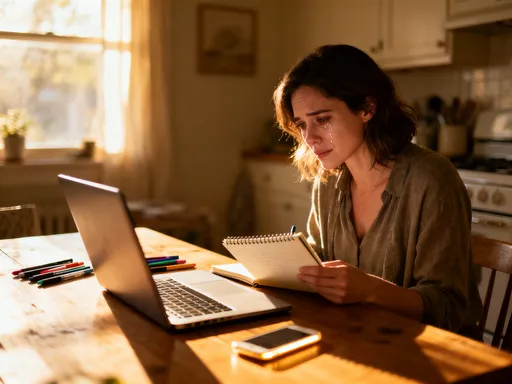
The journal wasn’t just recording where I’d been. It was showing me who I was becoming. It became a mirror, reflecting my growth, my fears, my joys. One entry from a trip to Ireland stood out: “I came here to escape, but I think I came to remember. Remember that I’m strong. That I can be alone and still feel whole.” Reading that months later, I teared up. I hadn’t realized how much that trip had healed me.
That’s when I understood: this wasn’t just a travel journal. It was a tool for self-awareness. By reflecting in the moment—just a sentence or a voice note—I was building a quiet practice of mindfulness. I was learning to pay attention, not just to the world around me, but to my own heart. And that made all the difference. The trips weren’t just escapes. They were lessons. And now, I could carry those lessons home with me.
Making It Work for Real, Busy Lives
I know what you might be thinking: “I don’t have time for journaling. My vacations are short. My days are full. I’m busy just keeping up.” Believe me, I get it. I’m not a full-time traveler. I’m a mom. I have laundry, school meetings, and a thousand little things that pull my attention every day. I didn’t start this to add another task to my list. I started it because I was tired of forgetting.
And here’s the truth: you don’t need hours. You don’t need to write pages. You don’t need to be poetic. The power is in the small, consistent moments. I use voice notes while walking to the train station. I add a photo right after I take it, with a one-sentence caption. Sometimes, I just type three words: “Sunshine. Coffee. Calm.” That’s enough. The app works with my life, not against it.
Here’s what I’ve learned: perfection is the enemy of memory. Don’t wait for the “right moment” to write. Capture the messy, real ones. Record yourself laughing at a wrong turn. Save the ticket from the bus you took to the hilltop village. Type “This soup is amazing” while you’re still eating it. Those are the moments that matter. And the app makes it easy to keep them.
I also gave myself permission to skip days. Some days, I’m too tired. Some days, I’m just living. And that’s okay. The app doesn’t scold me. It doesn’t send reminders. It just waits. And when I’m ready, it’s there. That lack of pressure is what makes it sustainable. This isn’t about discipline. It’s about intention. It’s about choosing, again and again, to notice what matters.
Why This Small Change Made a Big Difference
Today, my trips feel richer. More personal. More alive. Even months later, I can close my eyes and hear the rain on the rooftop in Portugal. I can smell the lavender fields in Provence. I can feel the joy of that unplanned detour in the French countryside. The app didn’t just save my memories—it deepened them. It gave me back the feelings I thought time would erase.
But more than that, it changed my relationship with travel. It’s no longer just about the destination. It’s about the experience—the quiet moments, the small joys, the personal growth. It’s about showing up, not just showing off. And it’s taught me that technology, when used with heart, can actually help us feel more human, not less.
In a world that moves too fast, where memories blur and days blur into weeks, this simple tool has become my anchor. It helps me slow down. Pay attention. Remember what matters. And when I share a journal entry with my daughter or read an old voice note on a tough day, I’m reminded: I’ve lived a beautiful life. Not because every trip was perfect, but because I noticed. I felt. I saved the feeling.
If you’ve ever looked at your photos and thought, “I wish I could remember how that felt,” I want you to know—there’s a way. You don’t need a fancy app or perfect writing skills. You just need a few seconds, a little intention, and a willingness to notice. Because the truth is, the best part of travel isn’t the place. It’s what it does to your heart. And now, thanks to a simple little journal app, I can hold on to that—and carry it with me, always.